Funky Qashqai Kilims

A bit of a departure with these kilims but I fell in love with the naivety of the designs and, most of all, with the story behind them!

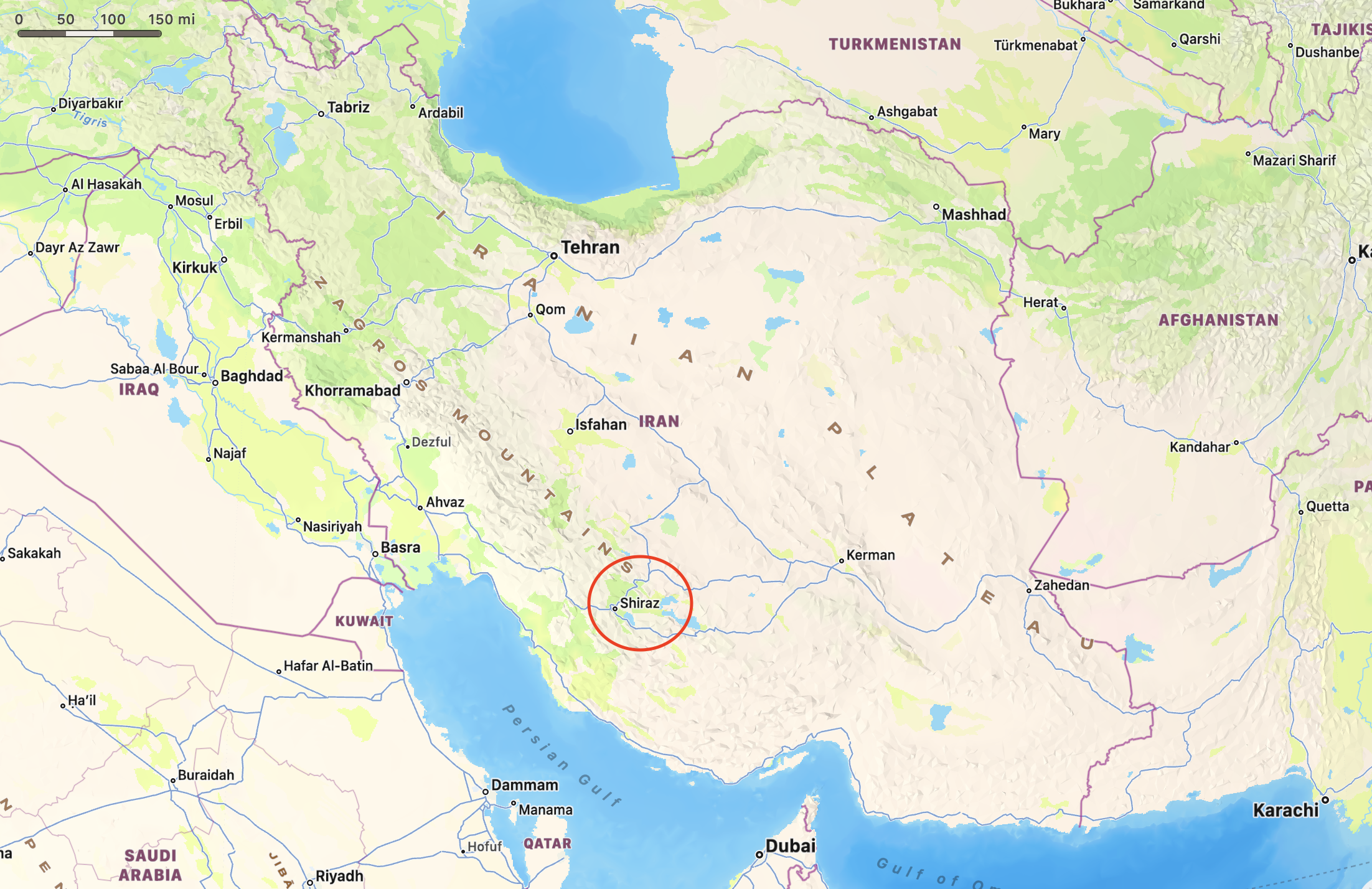
These kilims are woven by the Qashqai, a nomadic tribe in south-west Iran around the city of Shiraz. They have a long history of weaving and many continue to live a traditional nomadic lifestyle.
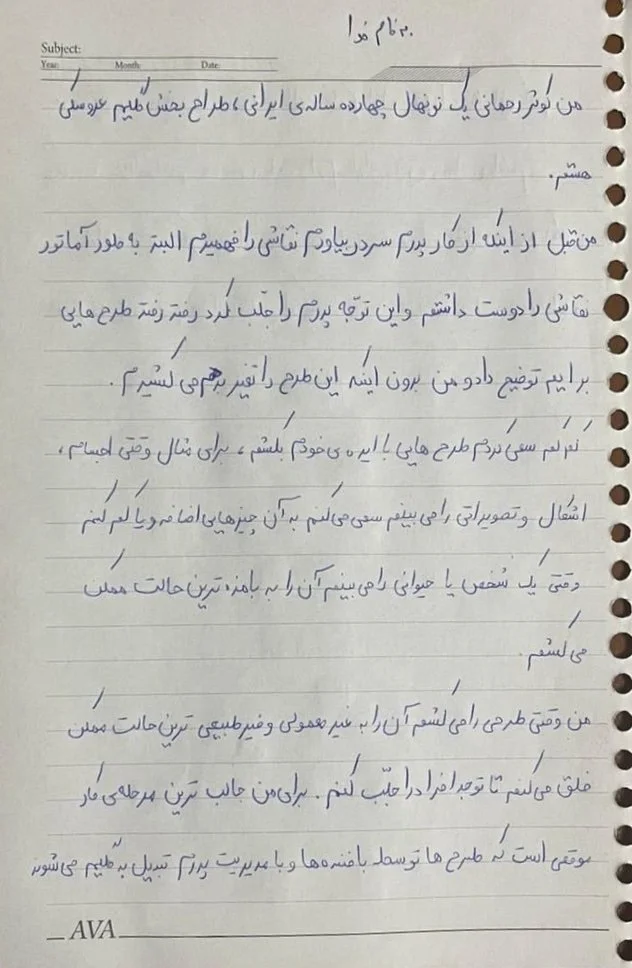
The designs come from drawings by Kosar, the 14 year old daughter of one of the weavers. They were spotted by her father in her drawing book and, together, they decided to make them into these unique kilims.

In this letter, she explains where her inspiration come from - here is an excerpt:
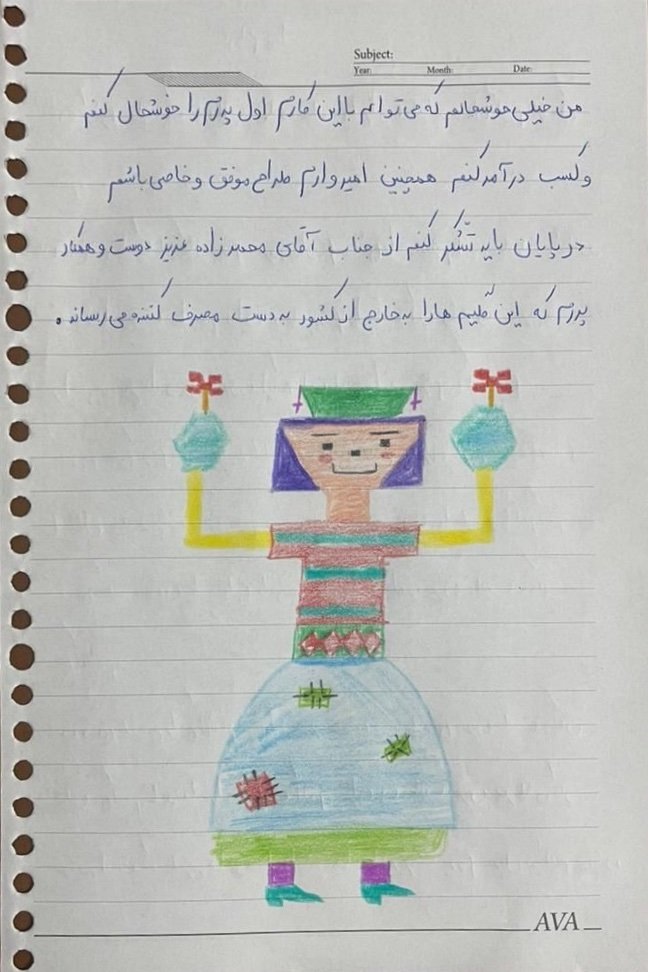
“I try to draw designs with my own ideas, for example, when I see objects, shapes and images, I try to add or subtract things to them. When I see a person or an animal, I draw it in the funniest way possible.

When I draw a design, I usually create it in the most unnatural way possible to attract people's attention. For me, the most interesting stage of the work is when the designs are turned into kilims by the weavers.”

To see my stock of these fabulous kilims, please click here.


Heriz-mania

Heriz-mania!

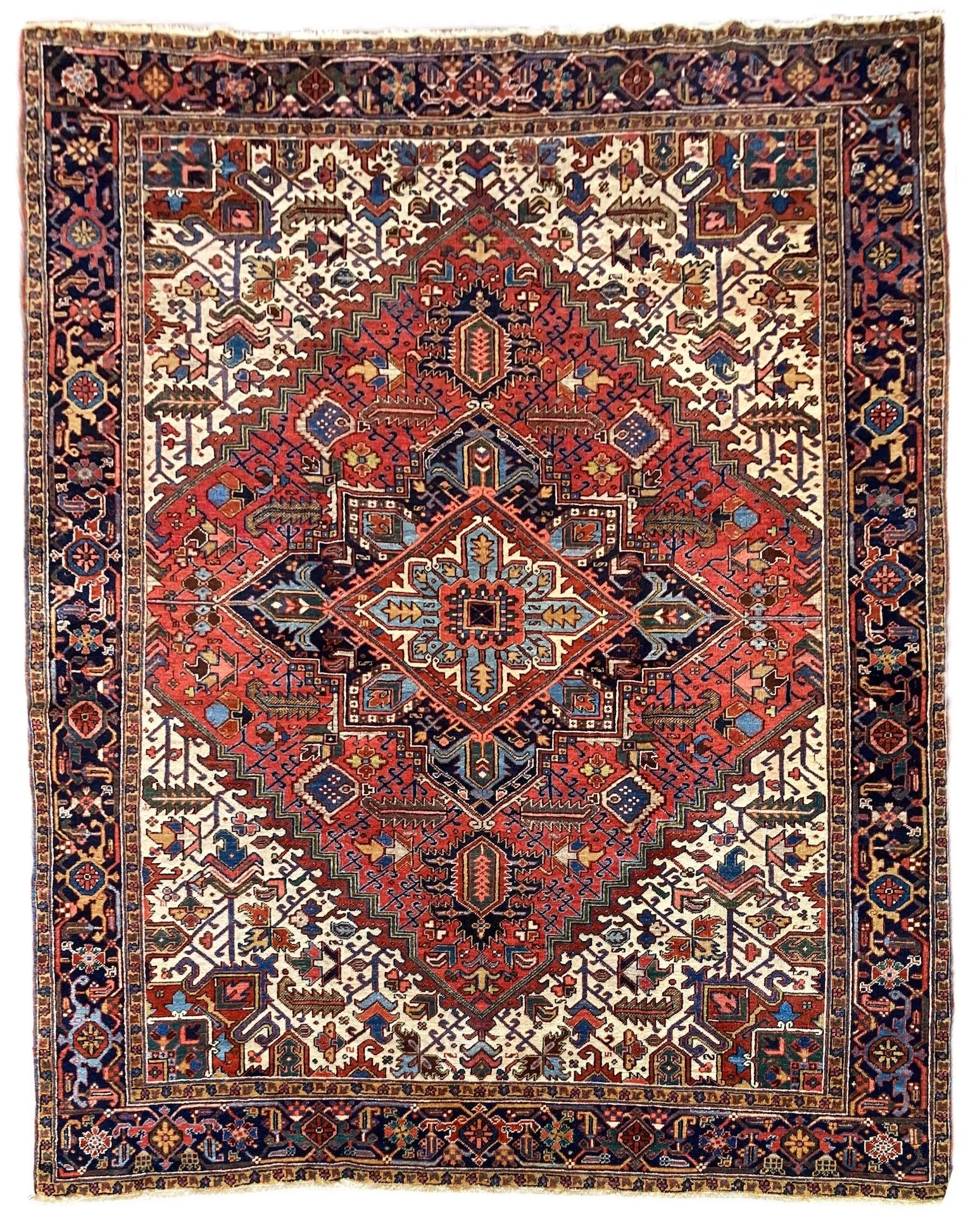
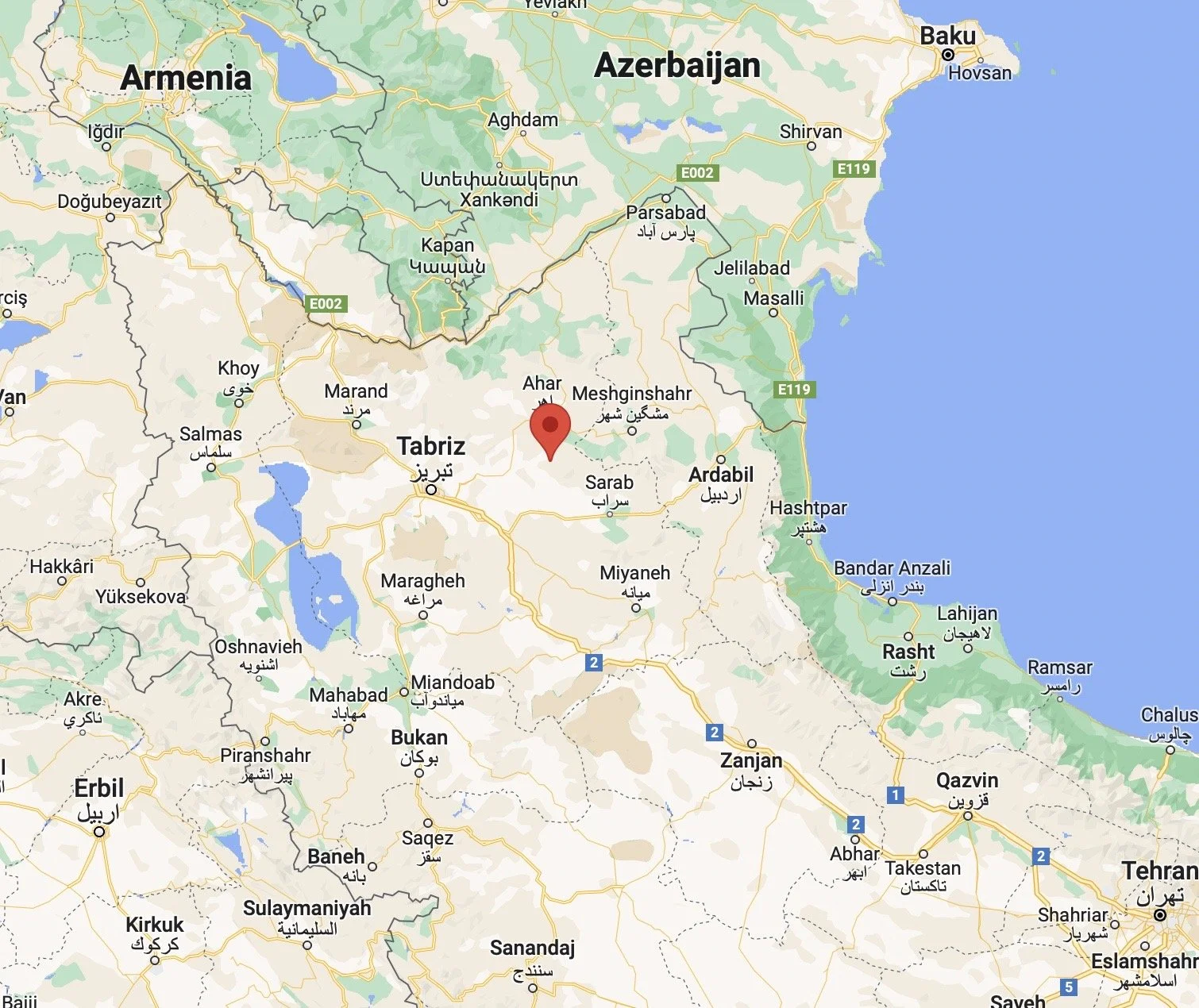
I love Heriz carpets which are woven in the villages around Heris in north west Persia, around 60 kms north east of Tabriz. Full of rustic charm, they look equally at home in a traditional or contemporary room and I have yet to see a good Heriz look out of place in any setting.

Antique Heriz Carpet 3.44m x 2.63m

Heriz rugs are easily recognisable, characterised by bold geometric designs, often with terracotta red fields. Many of them have large angular medallions which dominate the field and they were generally woven in large, room sizes.


Another great characteristic of Heriz rugs is their durability. The area is situated in the foothills of Mount Sabalan in north west Persia which sits on a major copper deposit - this finds its way into the sheep’s drinking water and is considered to contribute to the high quality and durability of the wool.


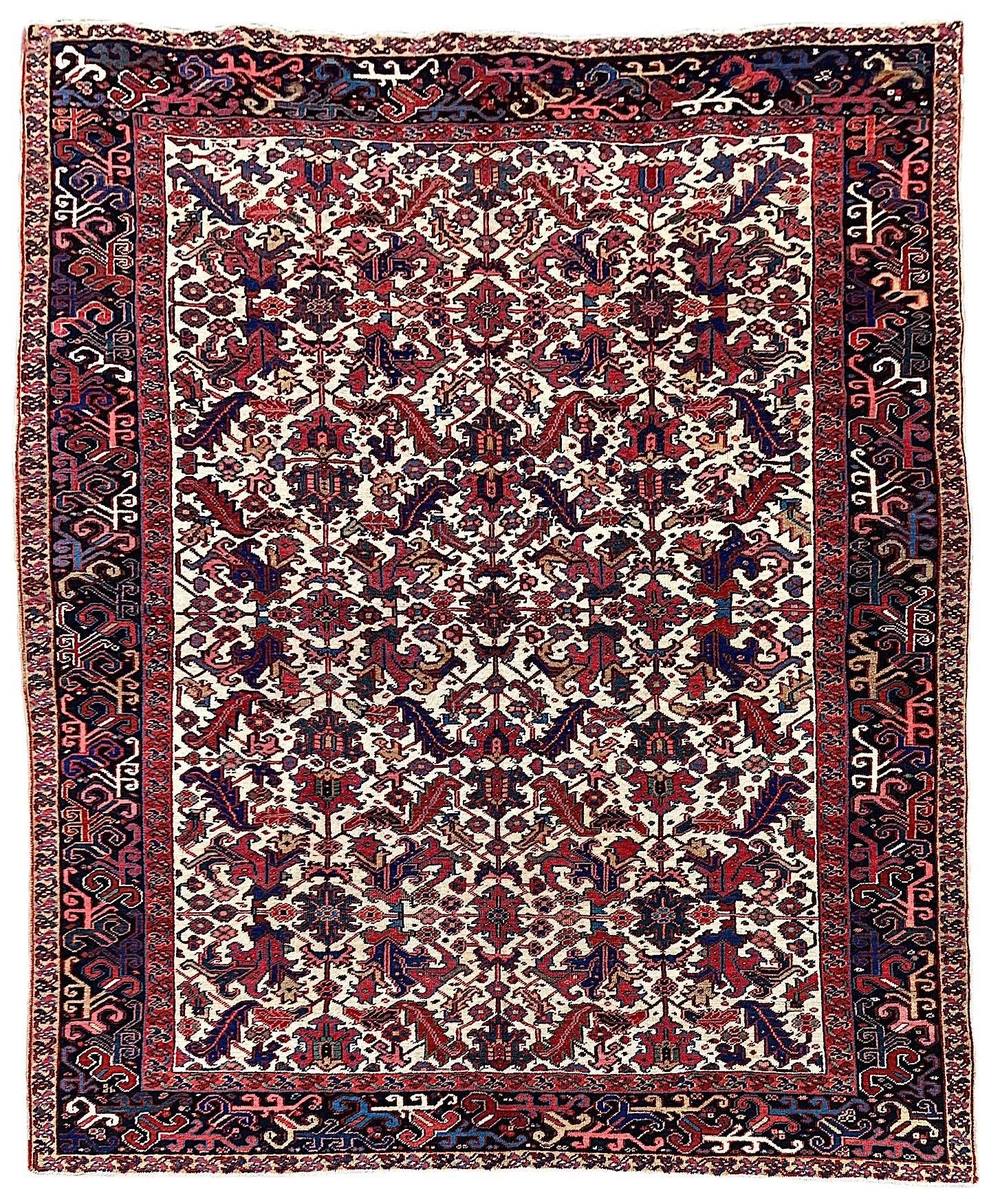
However, there is one thing that can be a bit baffling and that’s price - this is what I would like to attempt to explain in the remainder of this post. Just Google ‘antique Heriz rug’ and you get a large range, with anything from a few hundred to tens of thousands of pounds. So what makes the difference? As with all antique rugs, it’s really down to a combination of age, condition and colours (for a brief, general explanation check out my video on these topics here).

Age

Broadly speaking, the older the more valuable. I have put them in general bands for ease but this should be taken with a little flexibility.

  • Pre 1900 examples in good condition are scarce and sought after (with prices to match!).

  • 1900 to 1920 carpets can be fabulous with more reasonable prices. 

  • 1920 to 1940, less sought after but still some great examples. 

  • Post 1940s - a lot of commercial weaving with poor quality wool and dyes; as with all rugs, there are exceptions to this though!

Condition

As with all antique rugs, condition is an important factor in the value - here are some things that will affect value and that you should be aware of:

  • Wear

  • Fringes/sides

  • Repairs

  • Moth damage

For more details on these topics, have a peek at this short video:

Colour & Design

As much as condition and age affect the value of any antique rug, colours are also a contributing factor. This is particularly important in Heriz rugs. Firstly, the red has to be ‘right’ - not too harsh and not the browny reds of many post 1940s examples. Secondary colours are also important. The simpler red, blue and white rugs are less interesting so always look out for unusual secondary colours like greens, pinks and golds. Another thing to look out for is an unusual field colour. Heriz carpets are generally red; any other field colour is unusual and will therefore add to the value.

Designs can also contribute to the value. Generally, less fussy, open designs are more sought after, as are any designs that are out of the ordinary.

Conclusion

So, how much should you be paying for a Heriz carpet? I have based these rough estimates on a relatively common size, 3.50m x 2.50m, in good condition. Much larger sizes (and even some smaller ones) are less common so can be higher in price. And please bear in mind that there are always exceptions and that if you love it, then it’s right!

  • New - £3,000 to £5,000

  • Post 1940s - £500 to £2,000

  • 1920s to 1940s - £3,000 to £5,000

  • 1900s to 1920s - £4,000 to £10,000

  • Pre 1900s - £8,000 upwards

To view my current range of these wonderful carpets, please click here.
My Journey with the OCM Map!

The Backstory

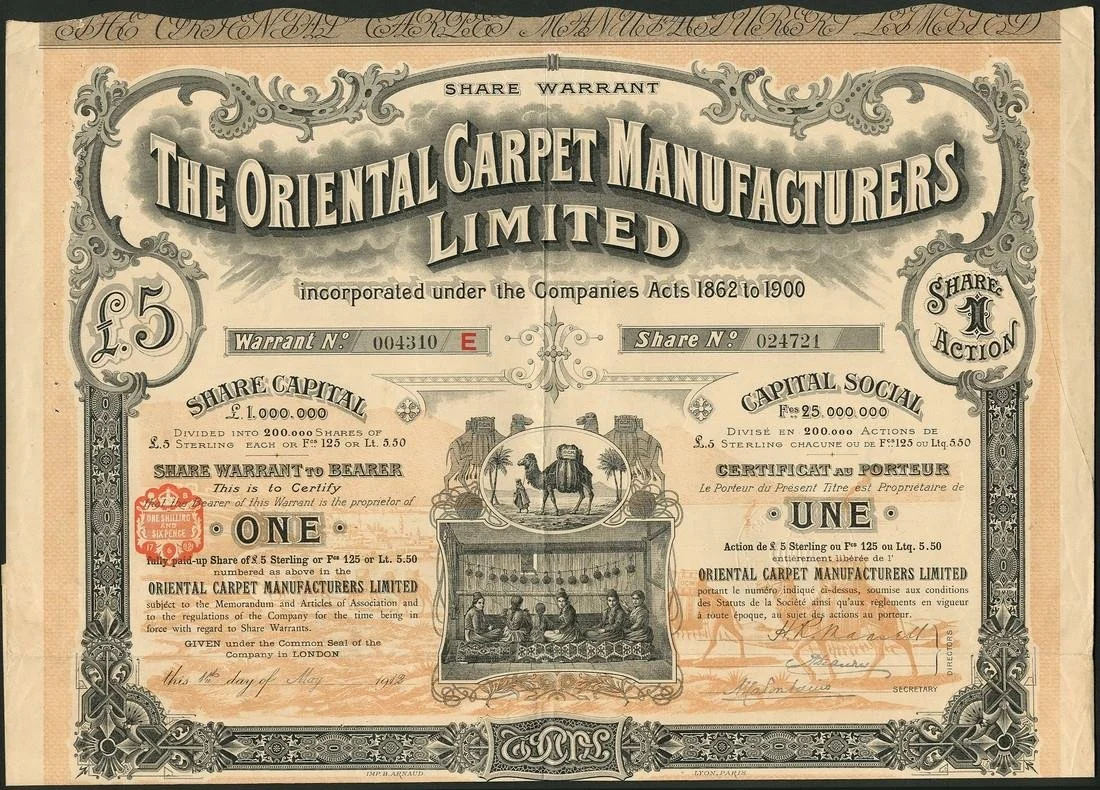
An OCM share certificate

The Oriental Carpet Manufacturers (OCM) was established in Turkey around the end of 1907 and quickly developed into one of the most important manufacturers and traders of oriental rugs in the world. Based in London, they merged with Eastern Kayam in 1986.

I joined in 1987 and owe my initial rug development to the 7 years I spent there, absorbing a little of the knowledge from the many experts who worked for the company.

The Map

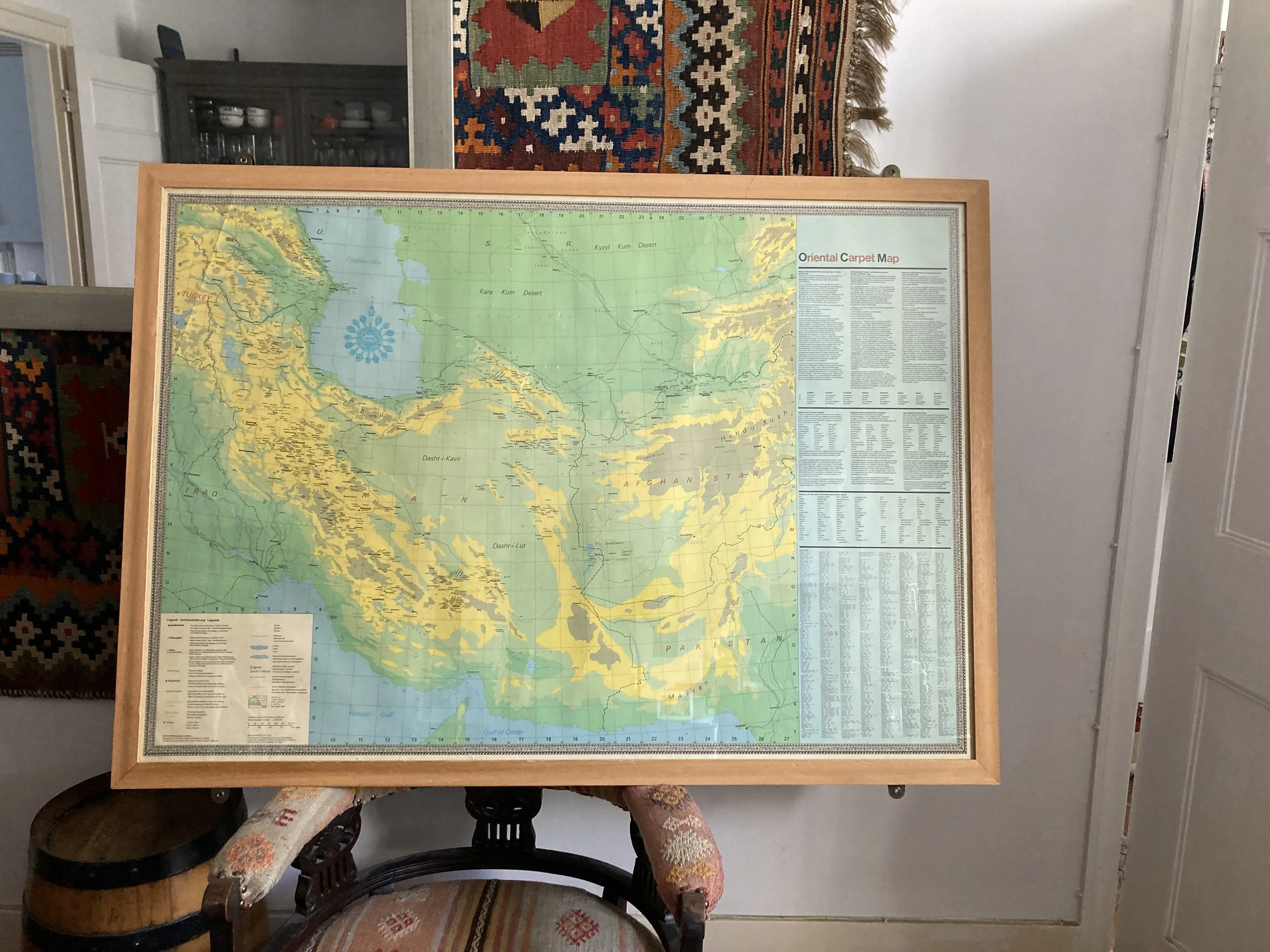
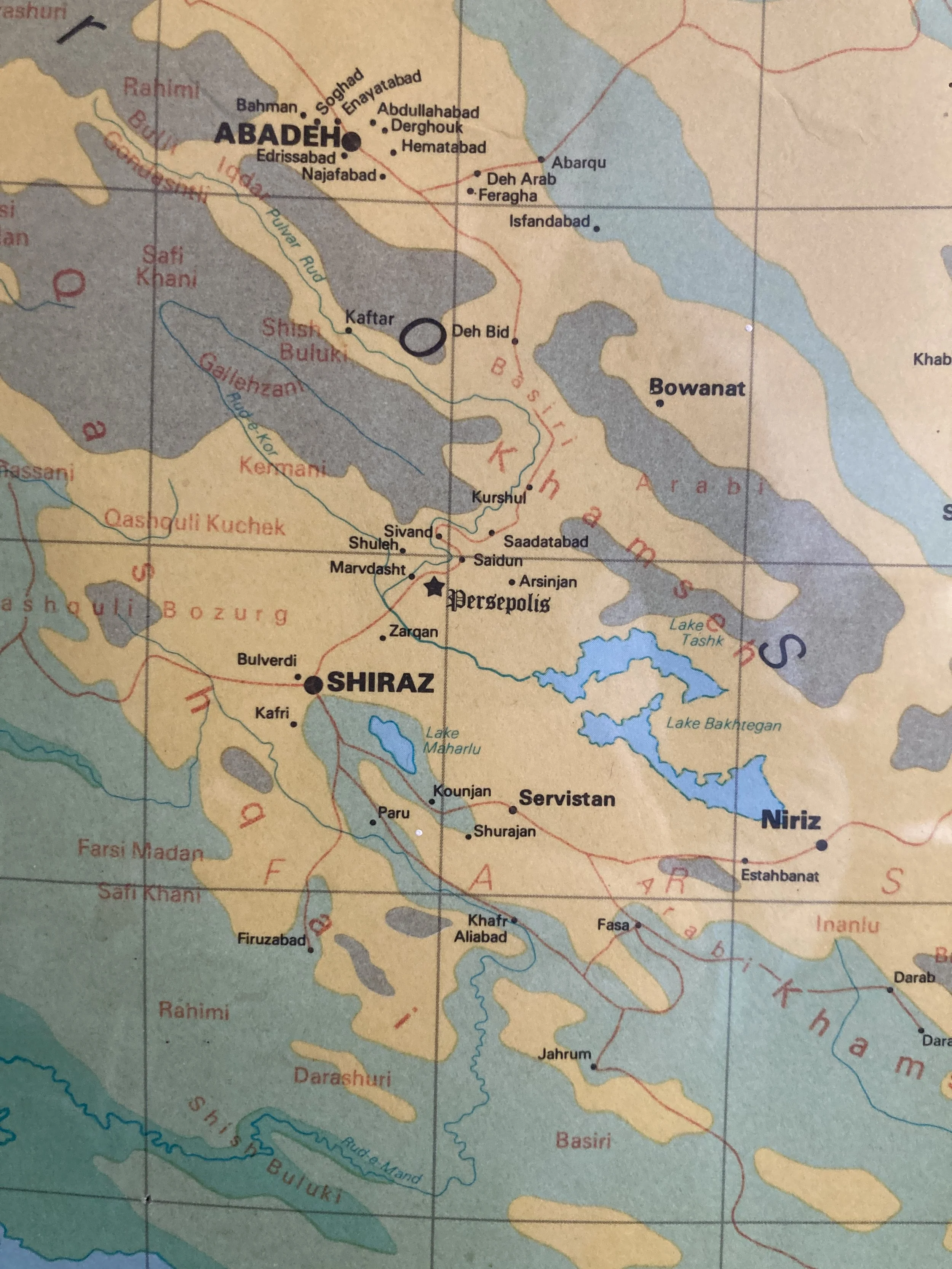
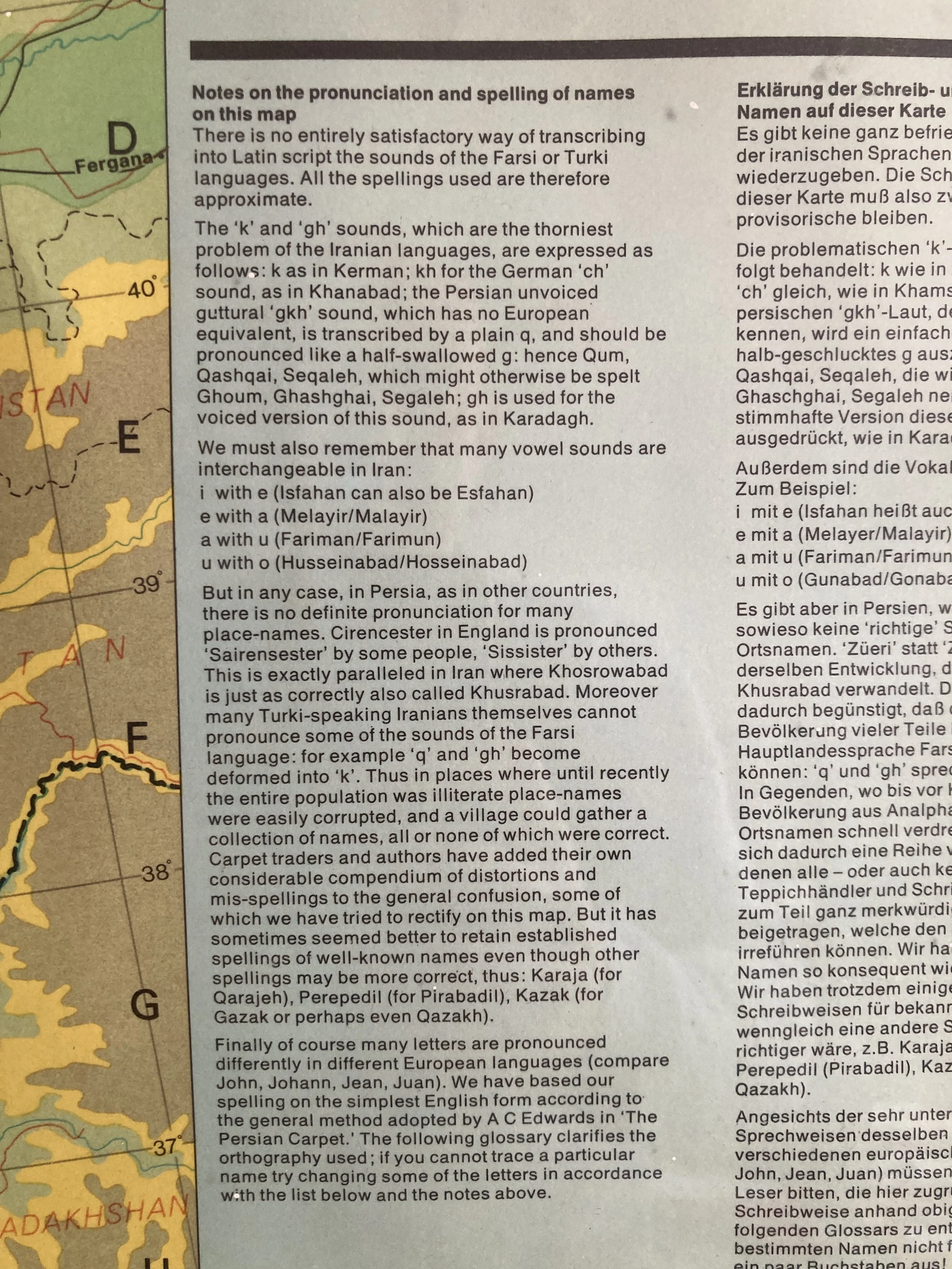
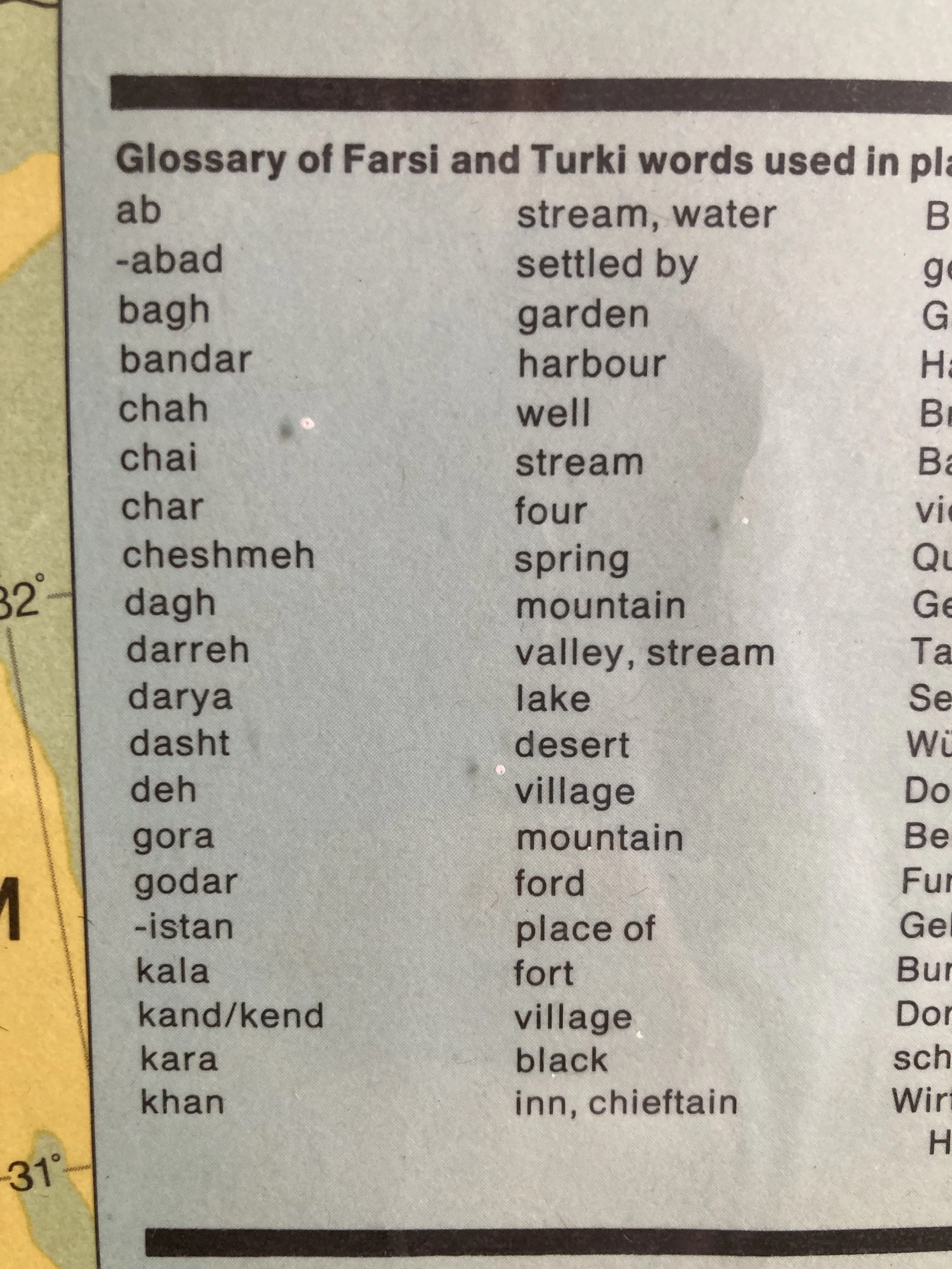
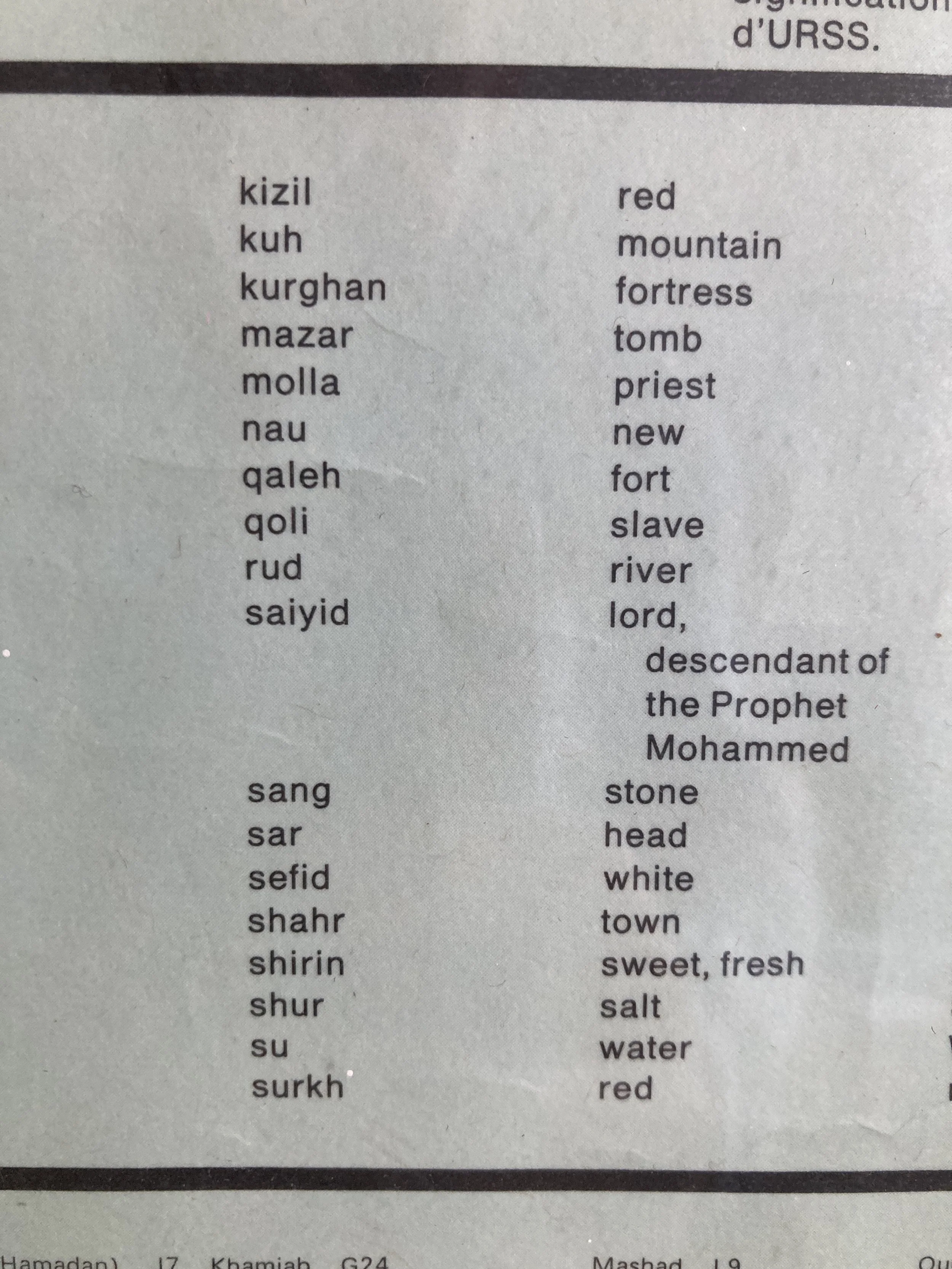
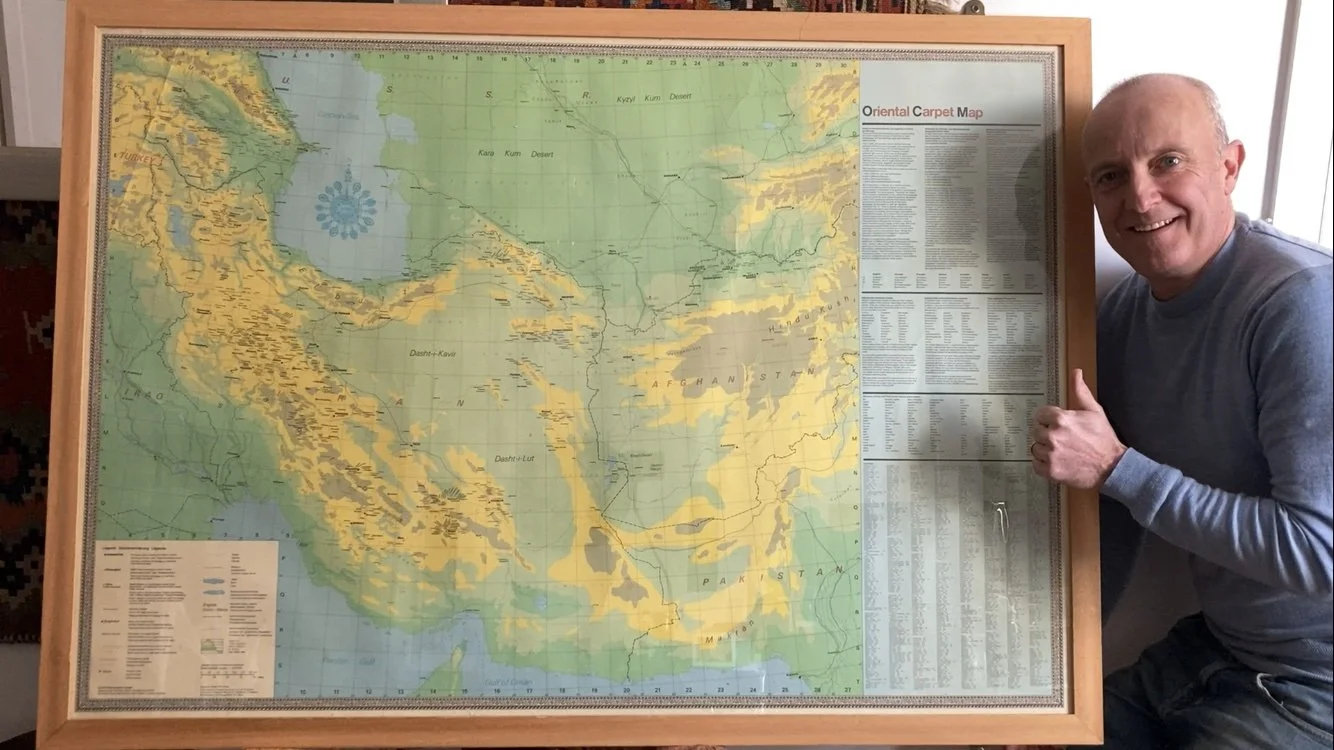
The OCM Map

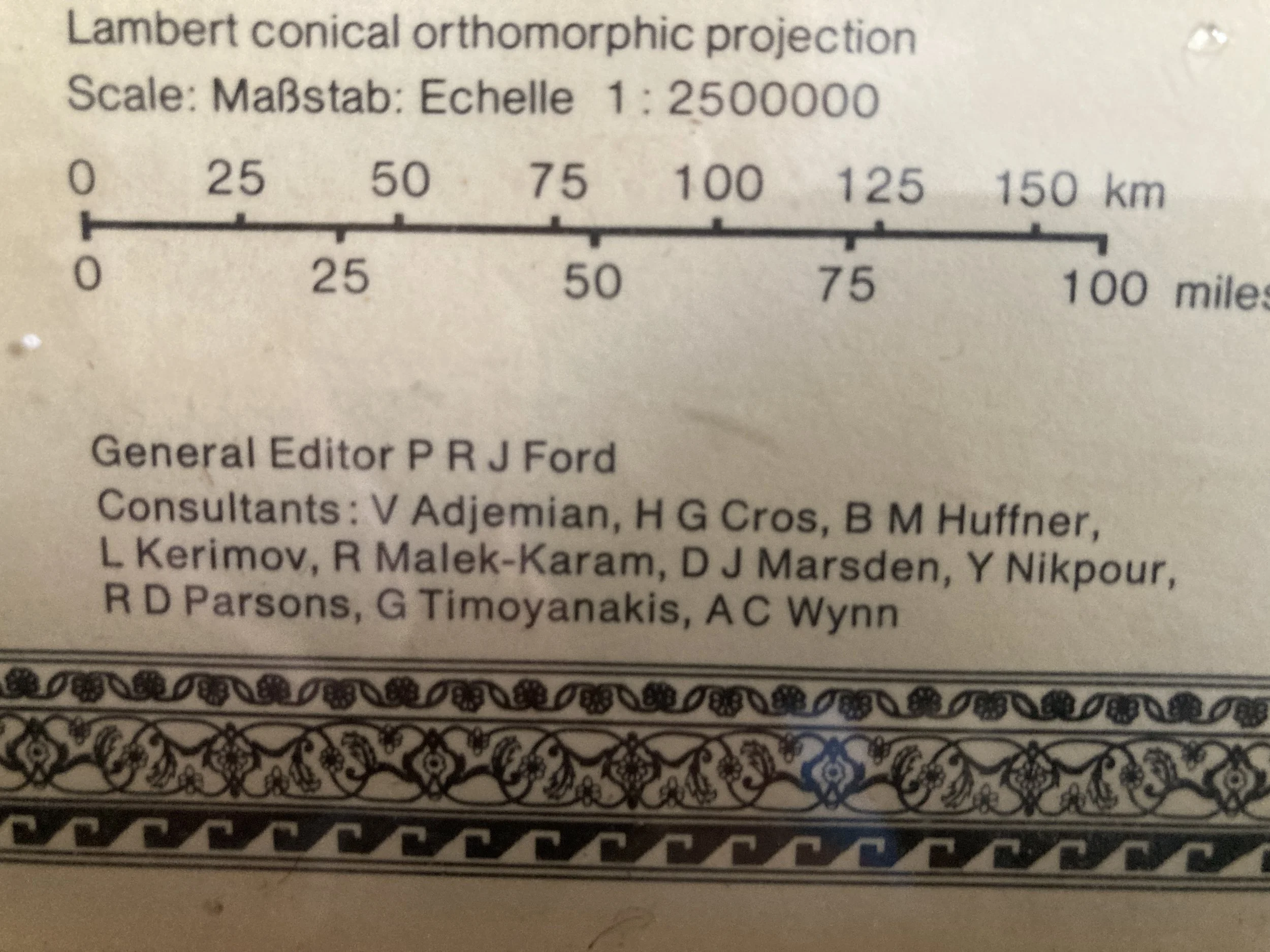
The map makers, several of whom I had the privilege to work with and one in particular, Henri Cros, who became a mentor of mine

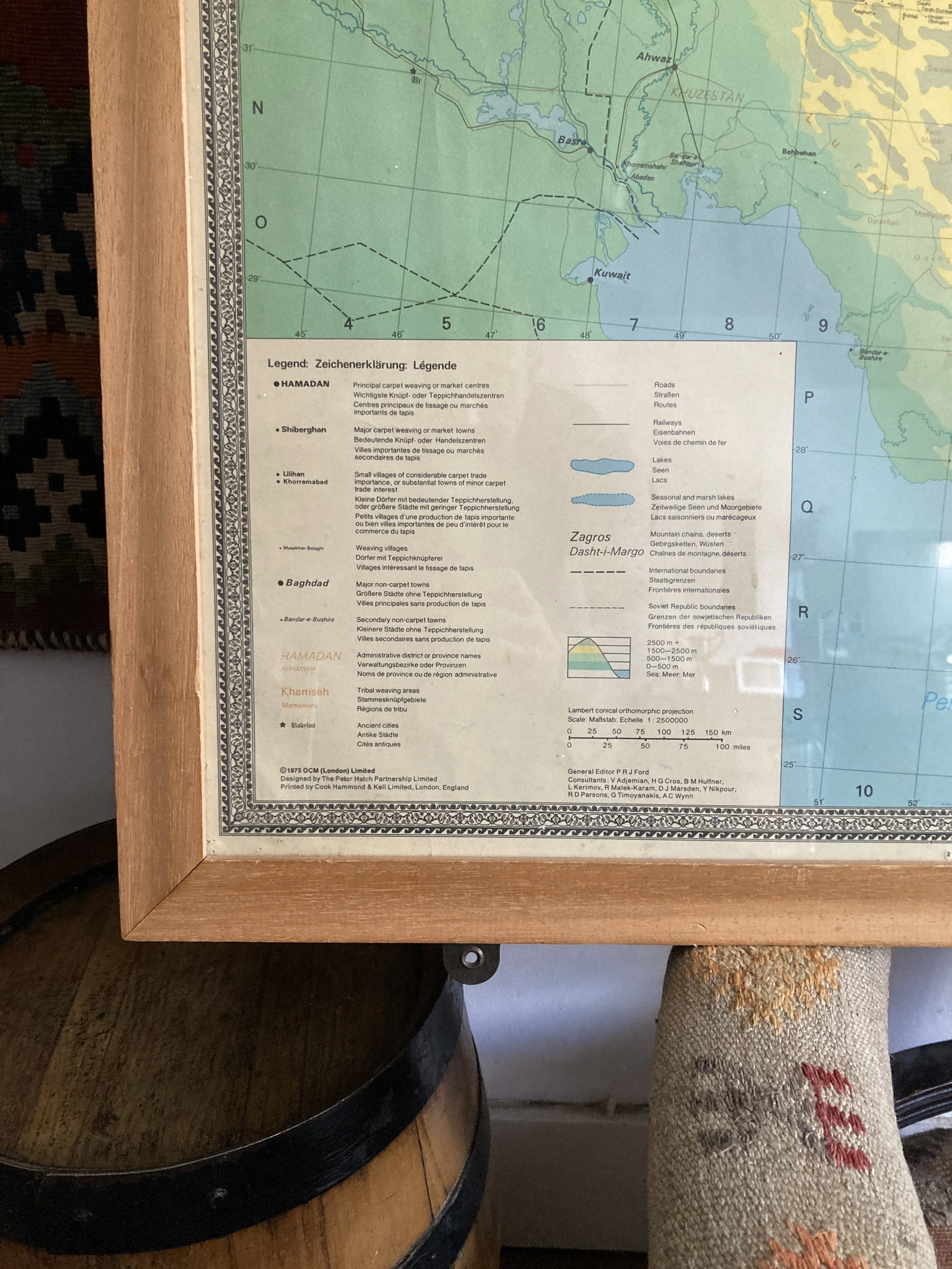
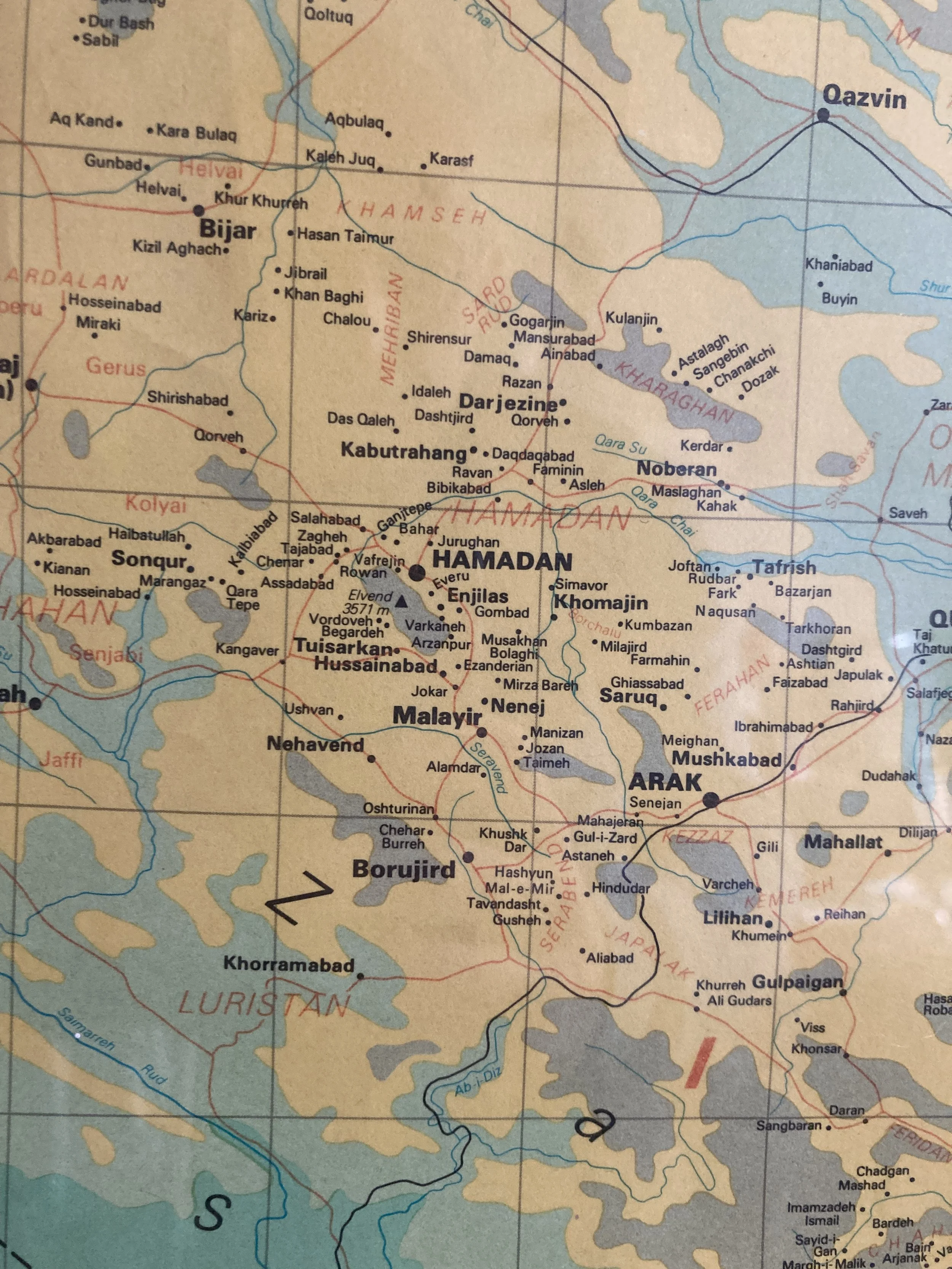
This map was developed in 1975 and was given to our customers around the world. A copy was proudly hung in my office and quickly became my primary reference for finding all the tiny villages where our beautiful rugs were made.

I left the company in 1994 and instantly regretted not taking one of these great maps.

A few detailed pics…

Fulfilled at last!

After 28 years of fruitless searching, I spotted one behind a pile of paperwork at a friend’s rug shop.

I casually asked whether she knew anyone who might have a spare one for sale - I was amazed to hear that this was, in fact, a spare one and that the other was proudly hanging in her office. After a brief period of somewhat clumsy negotiating, I left with my best find of 2022!

Figures in Rugs

It’s in the Detail

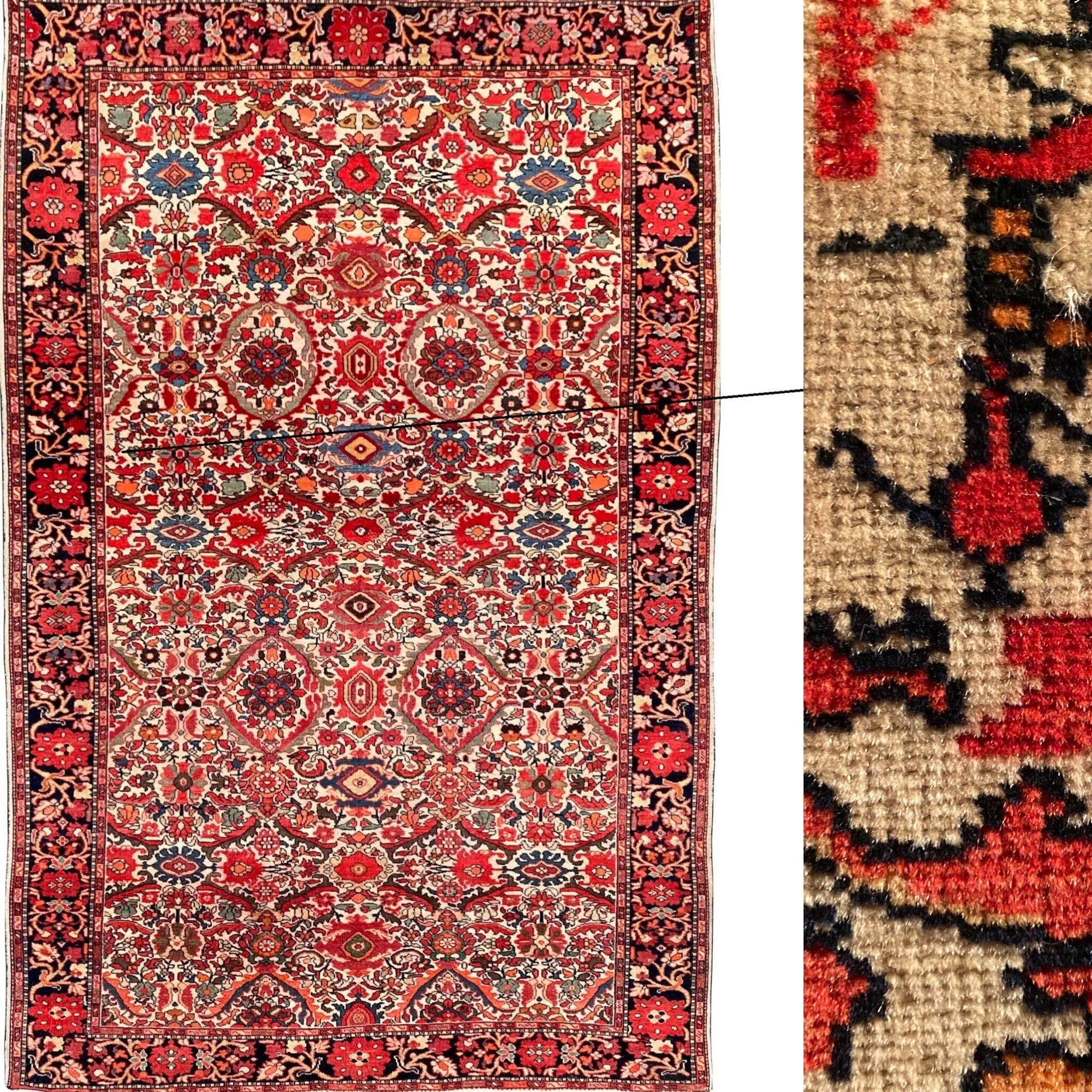
One of the joys of antique rugs is the unexpected discovery of random figures hidden in the often complex designs. This can come in the form of an animal, person or even a random household item (as seen in the Samovar below which took me several weeks to notice!) and hints at a playfulness on the part of the weaver.

Weaving figures into rugs has a long tradition in many areas, especially nomadic tribes such as the Qashqai of south west Persia as well as many of the antique rugs woven in the Caucasus mountains of Azerbaijan and Armenia.

Ultimately, the interesting point is that, through personality and humour, this creates a connection across time, geography and culture between the weaver and the owner of the rug.

Here are a few of my favourite examples, both past and present.

Antique Persian Sarouk Rug circa 1900. Please click here for more info.

Antique Persian Sarouk Rug circa 1900.

Vintage Afghan Belouch ‘War Rug’

Vintage Afghan Belouch ‘War Rug’

Balouch

The Balouchi tribes that straddle north-east Persia and Afghanistan have a long history of weaving figures in their rugs and this is an interesting example of rugs woven during the Soviet occupation of the 1980’s. Usually limited to war paraphernalia such as tanks, planes and Kalashnikovs, this rug is unusual because of the human figures - this would indicate that it was woven for an important tribal family.

Antique Persian Khamseh Rug

Antique Persian Khamseh Rug

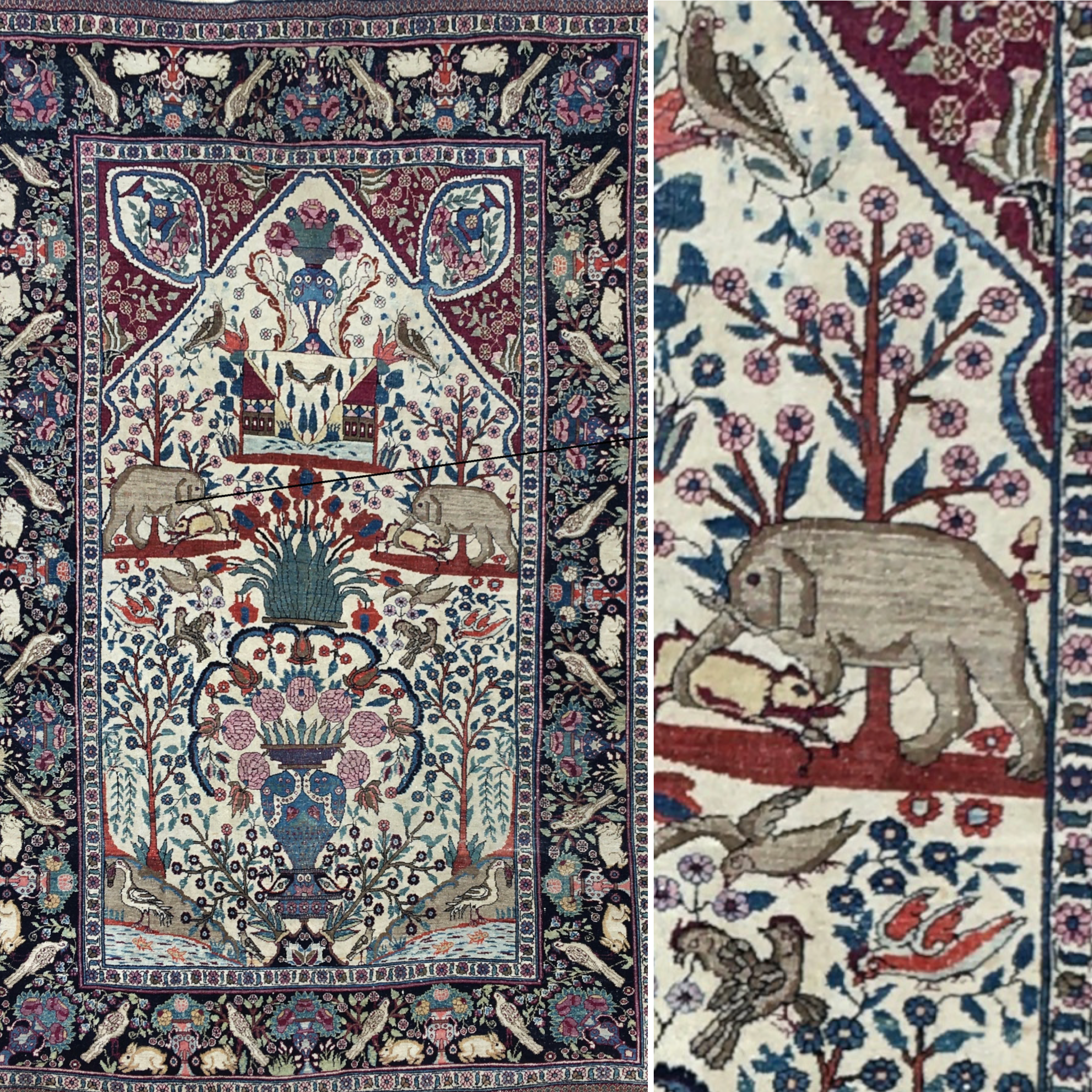
Antique Persian Tehran Rug

Antique Persian Tehran Rug

Antique Persian Qashqai Rug

Antique Persian Qashqai Rug

Antique Persian Qashqai Rug

Antique Persian Qashqai Rug

Antique Caucasian Lesghi Rug

Antique Caucasian Lesghi Rug

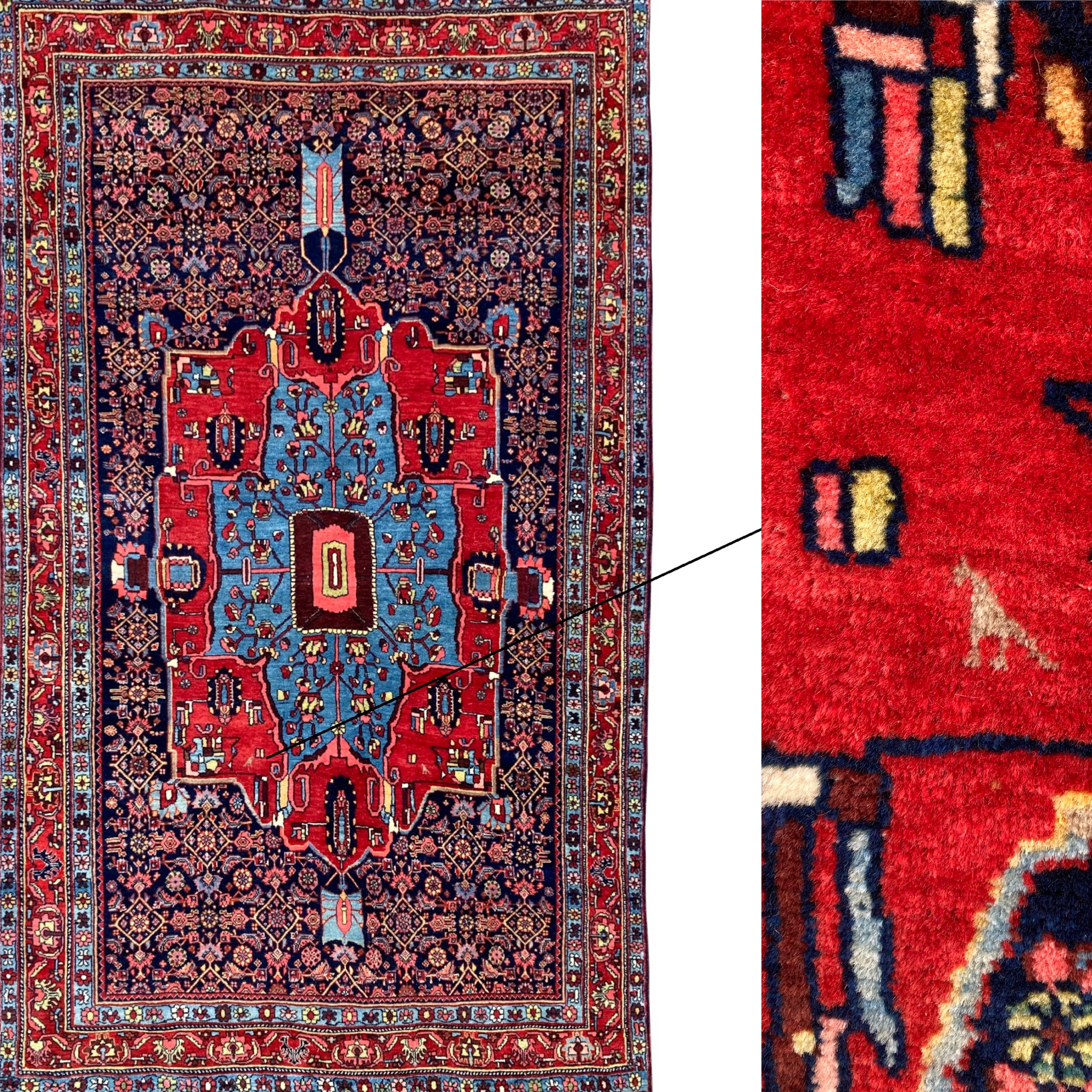
Antique Persian Bidjar Rug

Antique Persian Bidjar Rug

Antique Caucasian Rug

Antique Caucasian Rug

Khamseh

The Khamseh is a confederation of five tribes in the province of Fars in southwestern Iran. They are renowned for their rug weaving which often include figures such as this example woven circa 1890 with a multitude of chickens. For more information on this particular piece, please click here.
Antique Tehran Rug

Finer rugs such as this antique Tehran also have a long history of weaving figures in their rugs, especially from the cities of Isfahan, Qum, Tabriz and Tehran. Many of these are either ‘hunting scene’ or ‘tree of life’ designs. I don’t see many with elephants though!

Qashqai

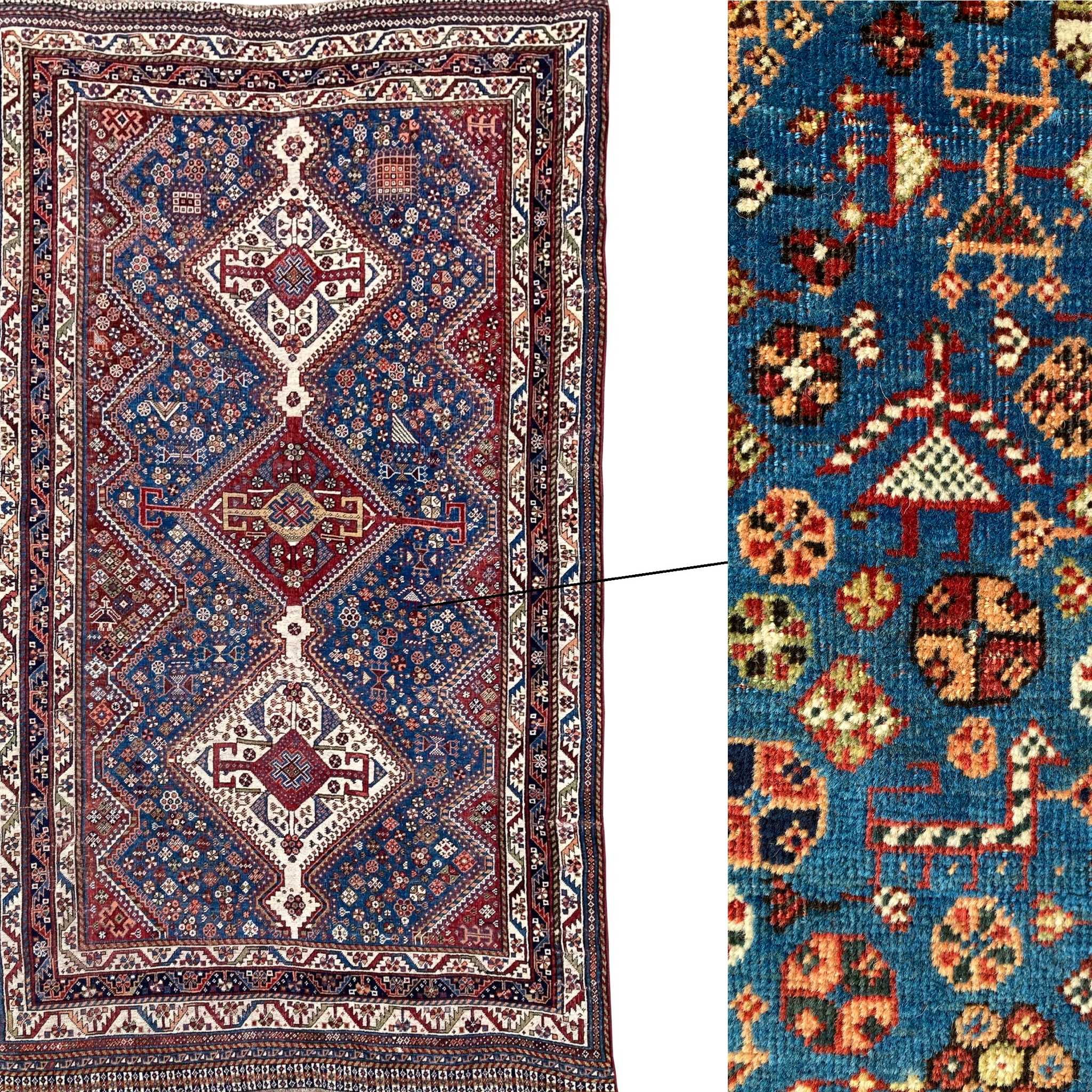
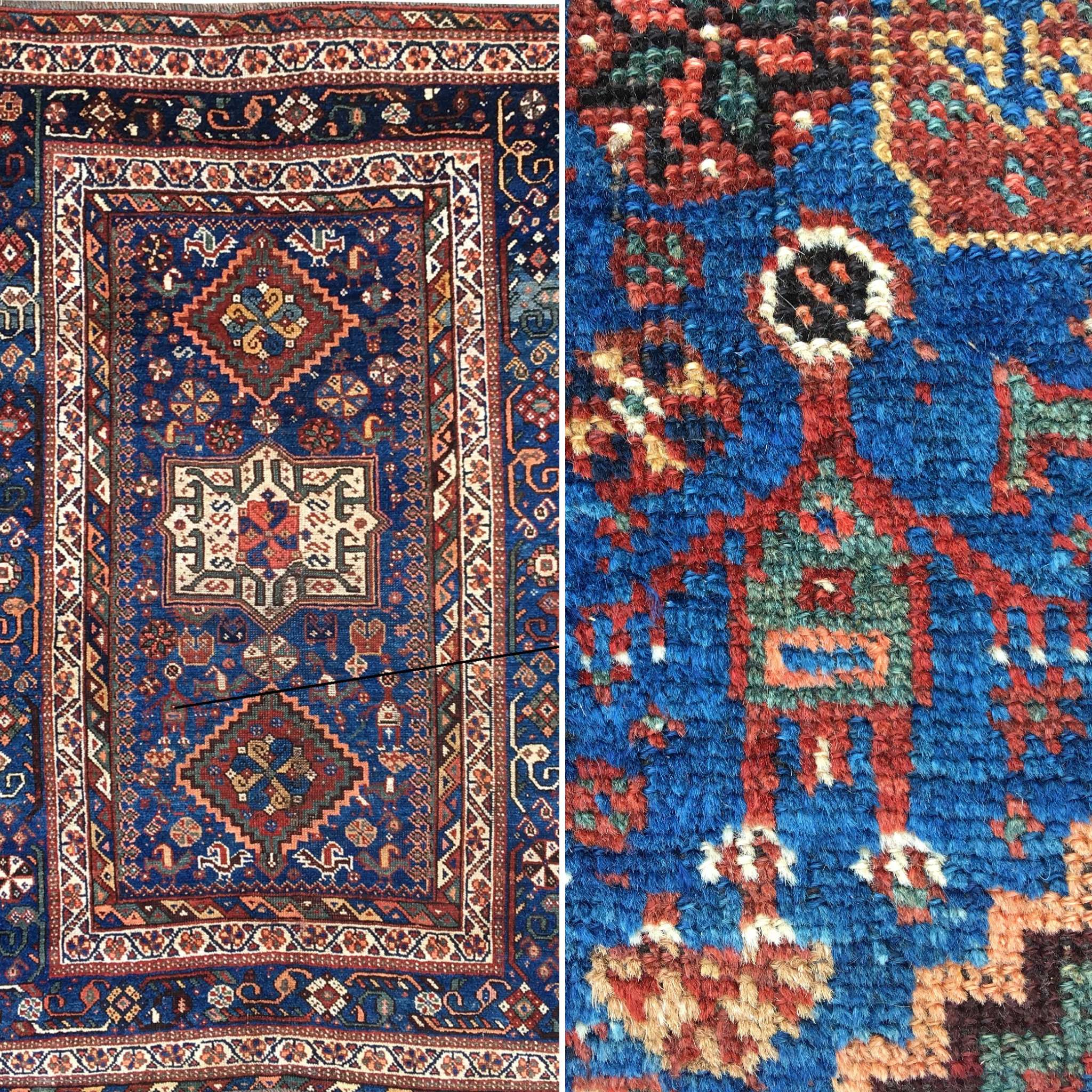
The Qashqai are a nomadic tribe from south-west Iran who often include small figures in their rugs, such as this example woven circa 1900 with numerous birds, animals and figures (including this lady with a particularly funky skirt) throughout the field. Due to the fact that the weavers don’t work to set designs, these are often highly stylised and naive but utterly charming. For more information on this piece, please click here.
Qashqai (again!)

In the interests of equality, here is what is obviously a Qashqai man!

Caucasian Rugs

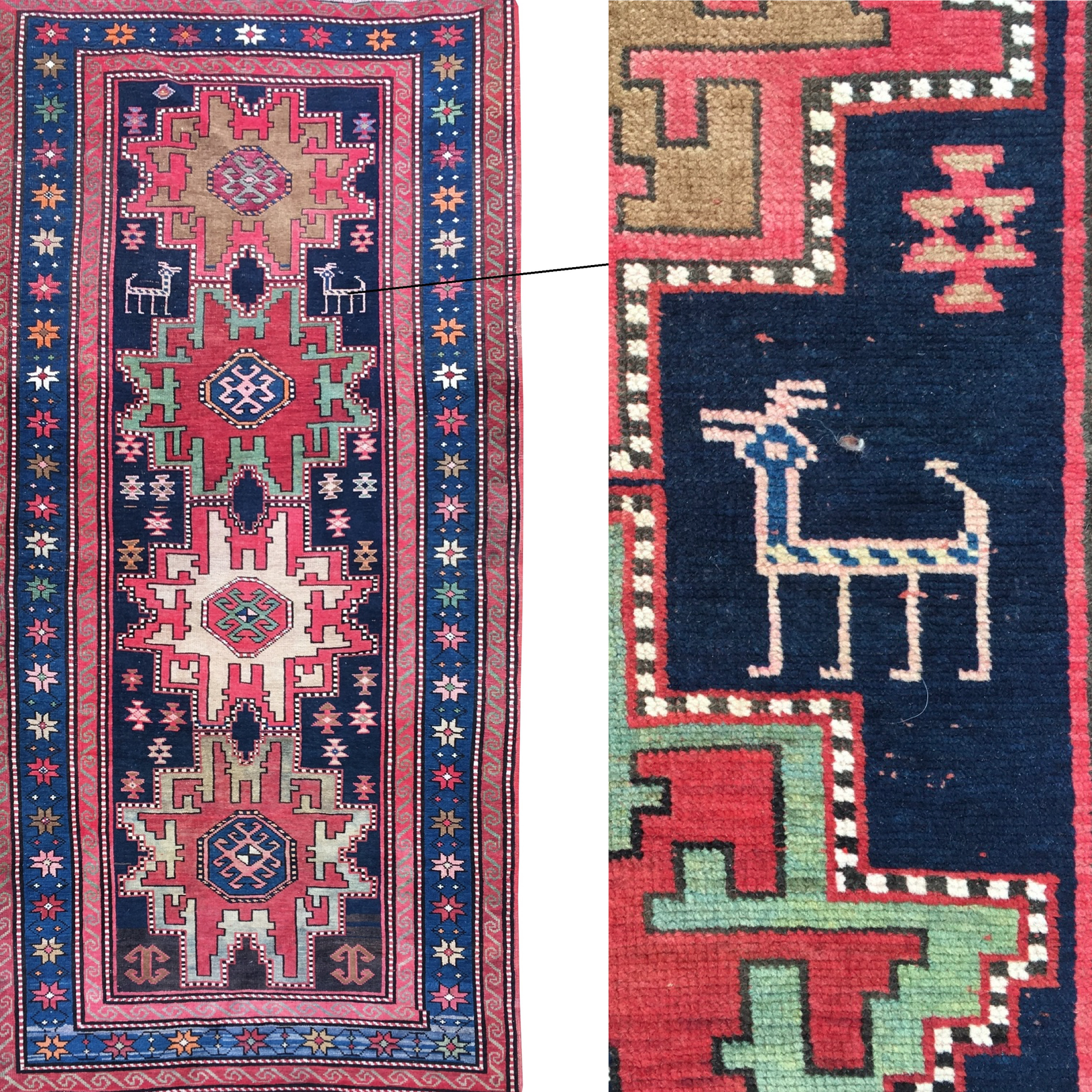
Antique Caucasian rugs have become highly collectible over the years and often have bold geometrical designs which often include figures. This example is an antique Lesghi rug, woven circa 1920 with two naive dogs looking like they are guarding the rug!

Antique Bidjar

Size isn’t everything! Sometimes the more interesting discoveries are the small ones that are not immediately apparent, like this tiny bird in the field of this 1920’s Bidjar rug.

Another Caucasian!

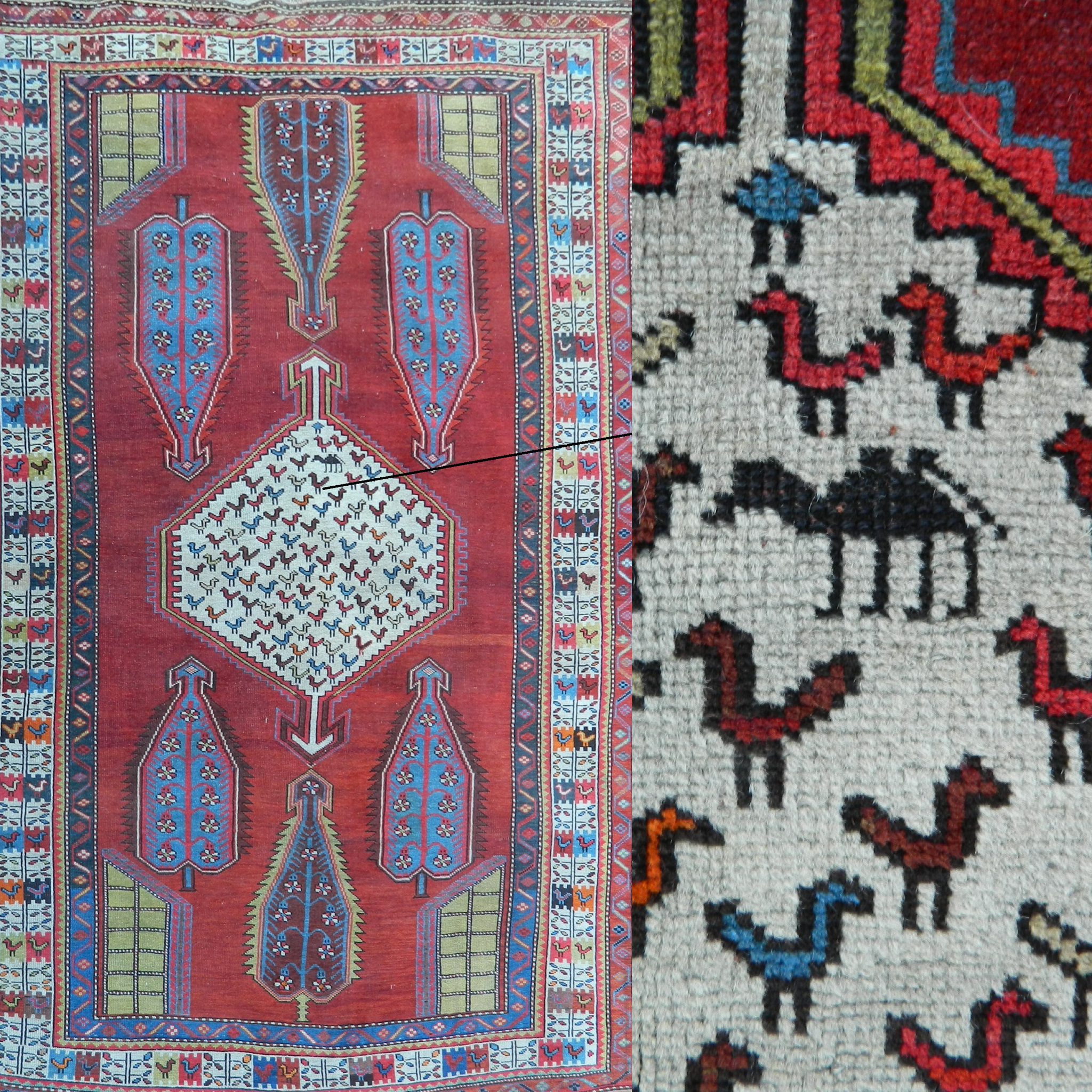
Possibly my favourite example ever! This rug was woven in the Caucasus mountains of Azerbaidjan circa 1920. In a medallion of numerous birds there is a solitary and quite random camel! I can just imagine the weaver chuckling to herself!