Why does a rug change colour?
We call it abrasch, but what causes it?
Read More
Specialist in antique rugs and kilims.
We call it abrasch, but what causes it?
Read MoreOne of my favourite cities in the word also happens to make some of the very best rugs.
Read MoreThese tiny weavings have a cultural significance that belies their size!
Read More
A bit of a departure with these kilims but I fell in love with the naivety of the designs and, most of all, with the story behind them!
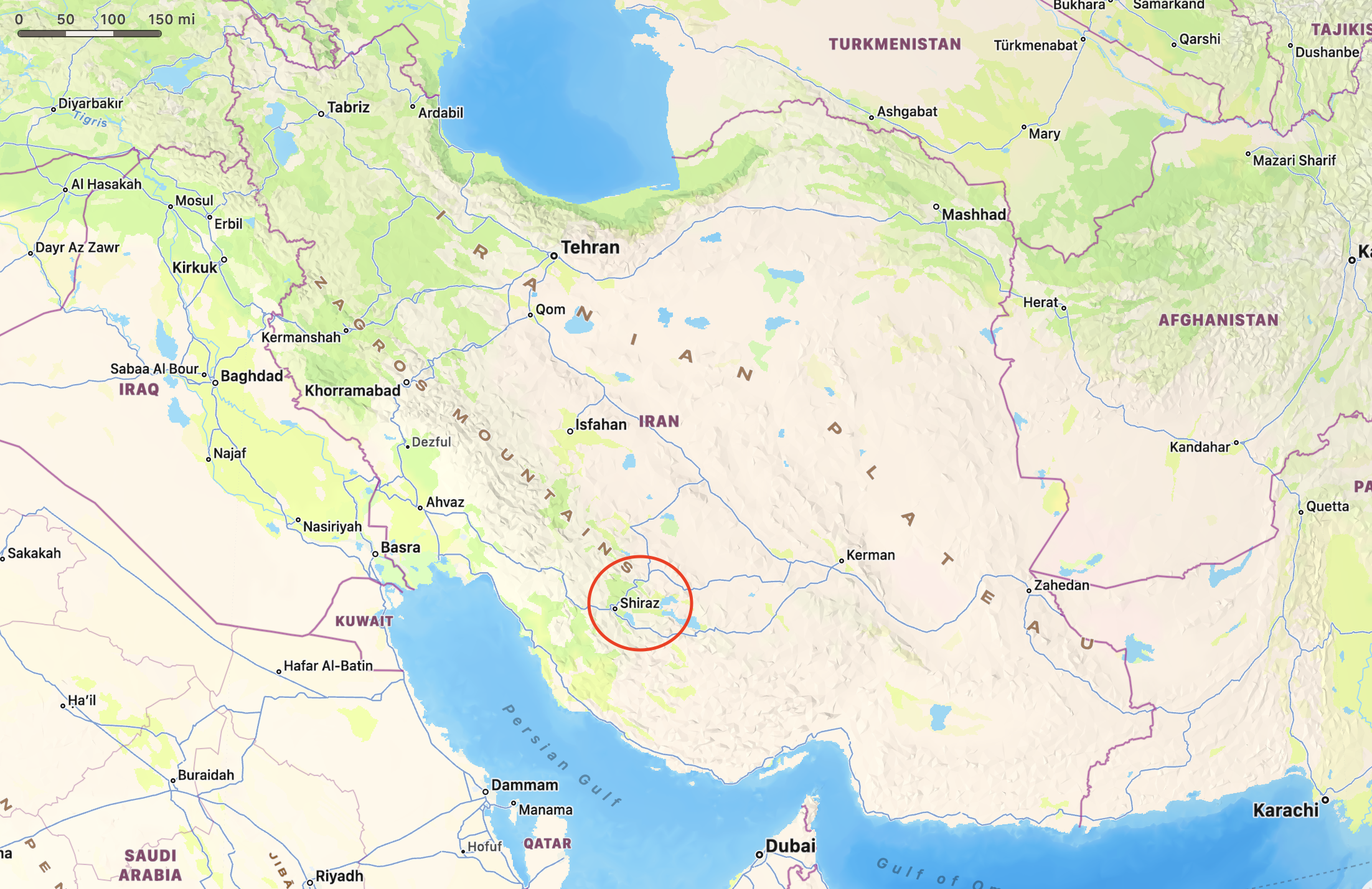
These kilims are woven by the Qashqai, a nomadic tribe in south-west Iran around the city of Shiraz. They have a long history of weaving and many continue to live a traditional nomadic lifestyle.
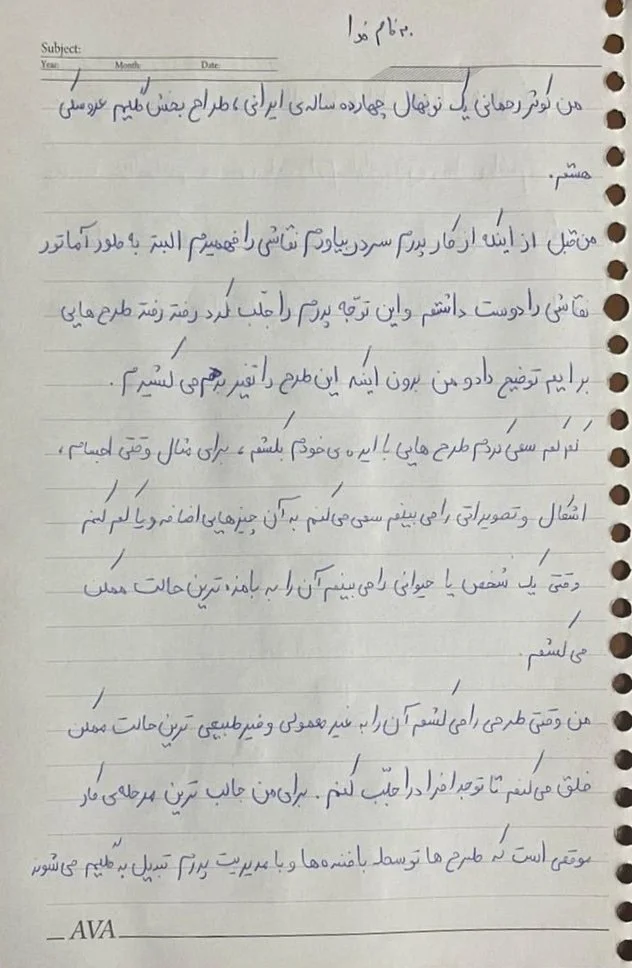
The designs come from drawings by Kosar, the 14 year old daughter of one of the weavers. They were spotted by her father in her drawing book and, together, they decided to make them into these unique kilims.
In this letter, she explains where her inspiration come from - here is an excerpt:
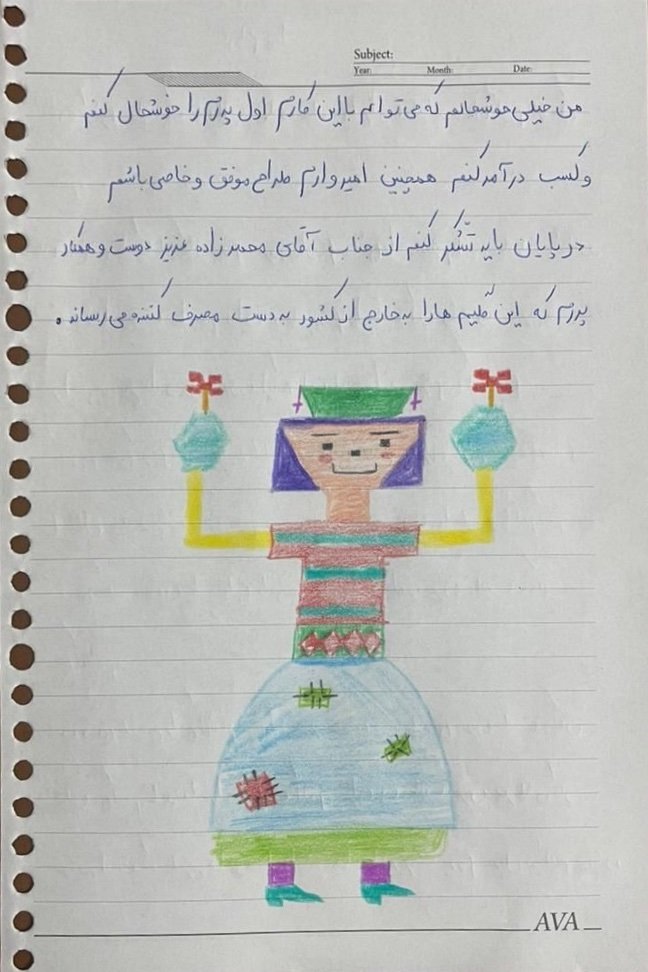
“I try to draw designs with my own ideas, for example, when I see objects, shapes and images, I try to add or subtract things to them. When I see a person or an animal, I draw it in the funniest way possible.
When I draw a design, I usually create it in the most unnatural way possible to attract people's attention. For me, the most interesting stage of the work is when the designs are turned into kilims by the weavers.”
To see my stock of these fabulous kilims, please click here.
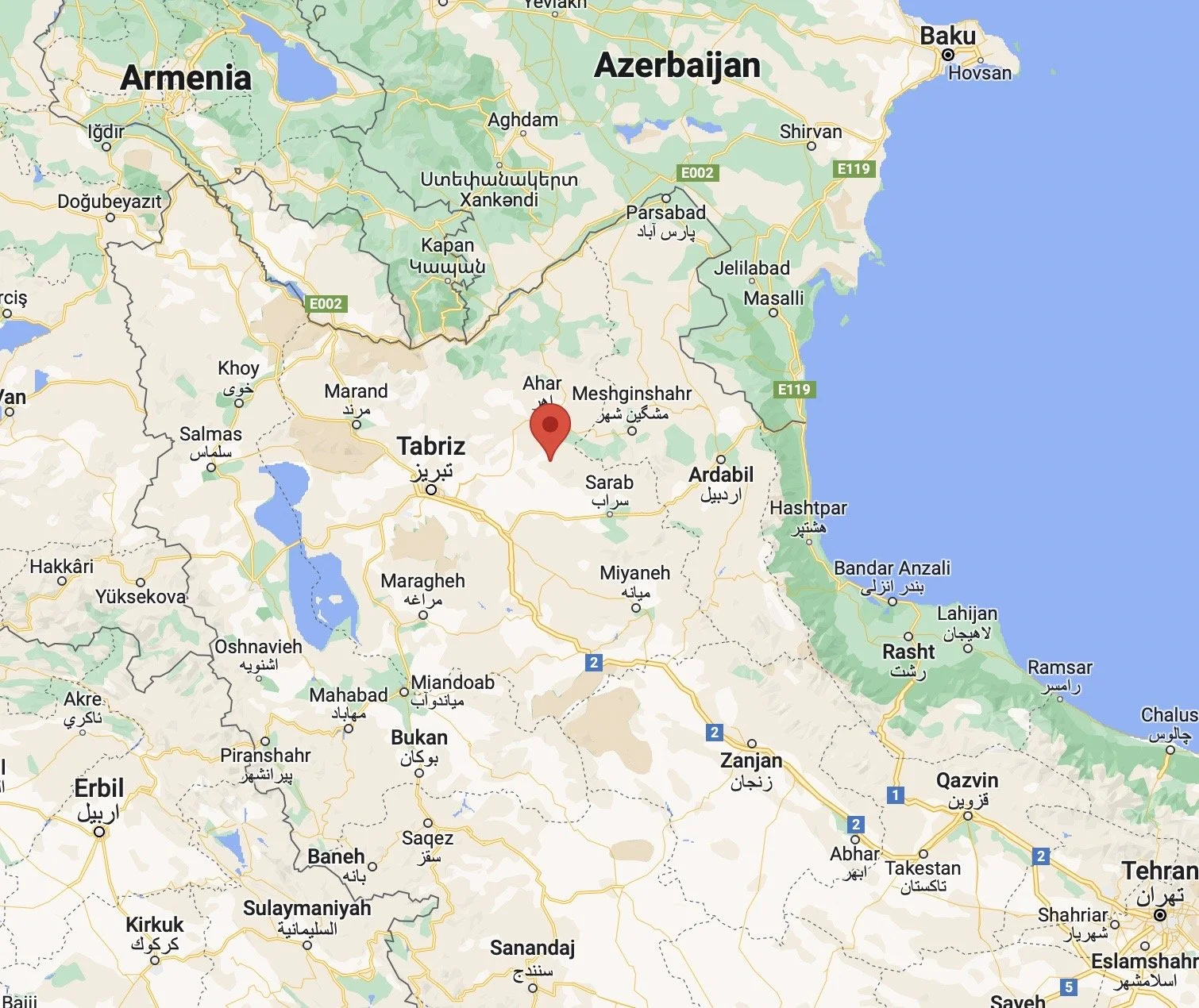
I love Heriz carpets which are woven in the villages around Heris in north west Persia, around 60 kms north east of Tabriz. Full of rustic charm, they look equally at home in a traditional or contemporary room and I have yet to see a good Heriz look out of place in any setting.
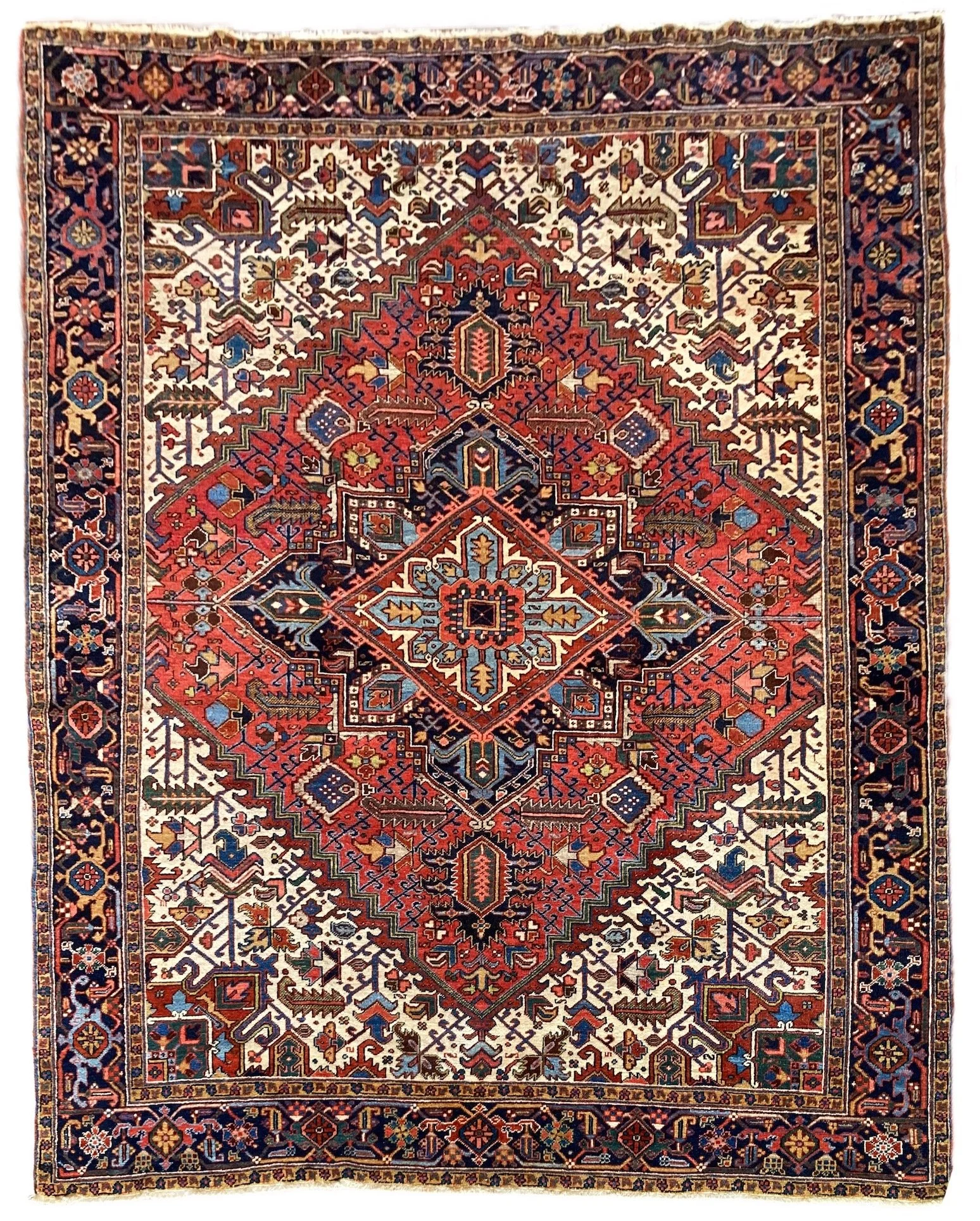
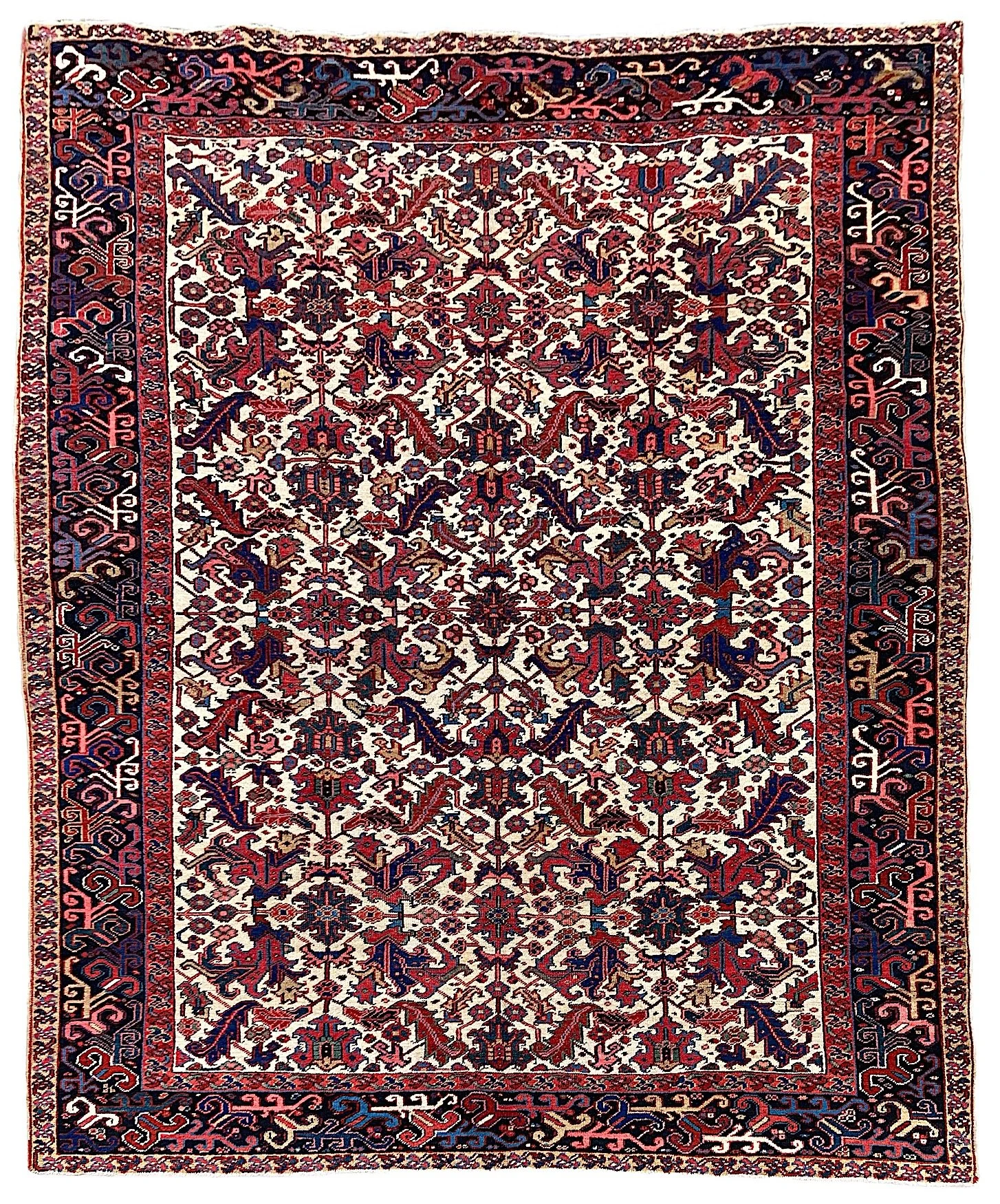
Antique Heriz Carpet 3.44m x 2.63m
Heriz rugs are easily recognisable, characterised by bold geometric designs, often with terracotta red fields. Many of them have large angular medallions which dominate the field and they were generally woven in large, room sizes.
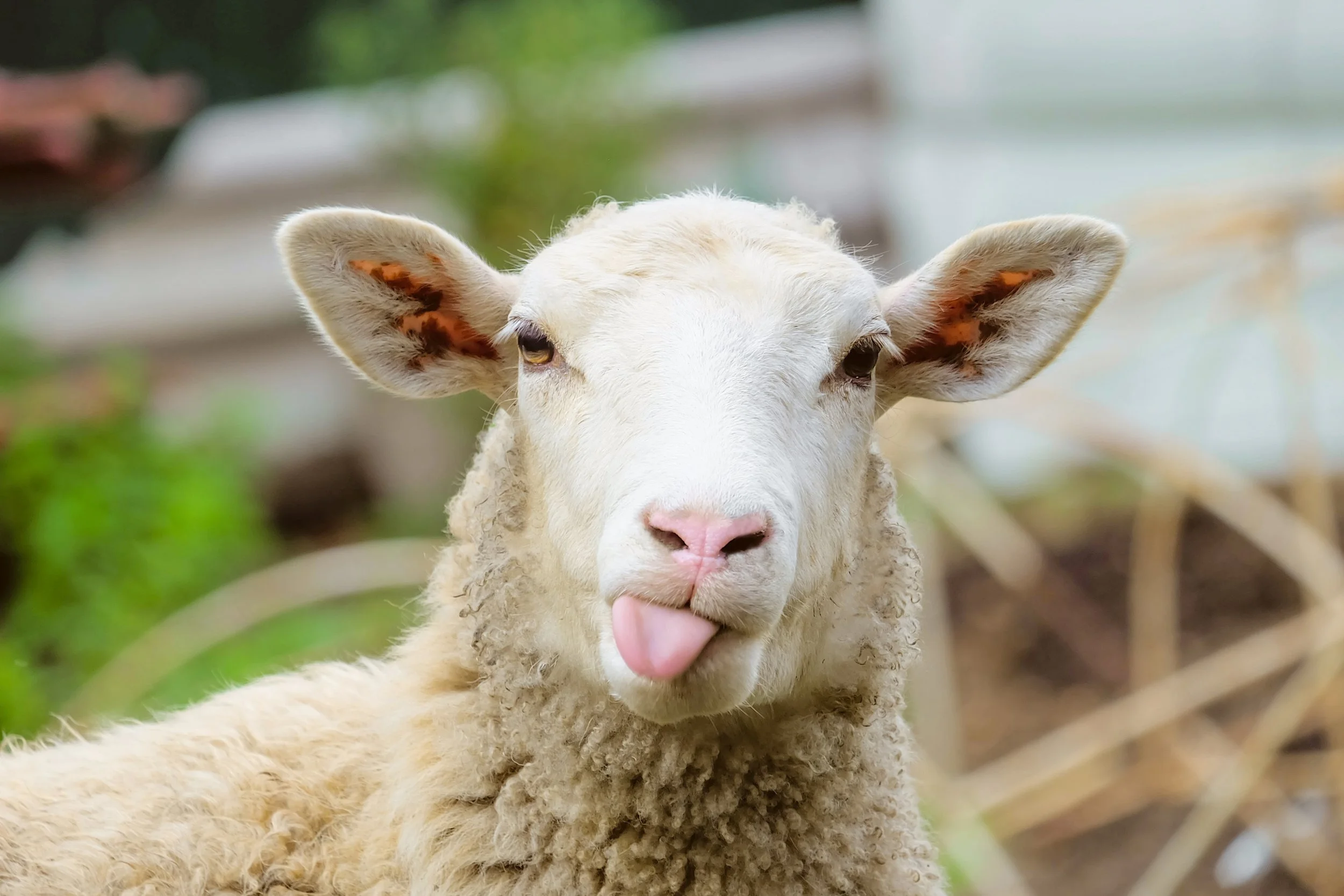
Another great characteristic of Heriz rugs is their durability. The area is situated in the foothills of Mount Sabalan in north west Persia which sits on a major copper deposit - this finds its way into the sheep’s drinking water and is considered to contribute to the high quality and durability of the wool.
However, there is one thing that can be a bit baffling and that’s price - this is what I would like to attempt to explain in the remainder of this post. Just Google ‘antique Heriz rug’ and you get a large range, with anything from a few hundred to tens of thousands of pounds. So what makes the difference? As with all antique rugs, it’s really down to a combination of age, condition and colours (for a brief, general explanation check out my video on these topics here).
Age
Broadly speaking, the older the more valuable. I have put them in general bands for ease but this should be taken with a little flexibility.
Pre 1900 examples in good condition are scarce and sought after (with prices to match!).
1900 to 1920 carpets can be fabulous with more reasonable prices.
1920 to 1940, less sought after but still some great examples.
Post 1940s - a lot of commercial weaving with poor quality wool and dyes; as with all rugs, there are exceptions to this though!
Condition
As with all antique rugs, condition is an important factor in the value - here are some things that will affect value and that you should be aware of:
Wear
Fringes/sides
Repairs
Moth damage
For more details on these topics, have a peek at this short video:
Colour & Design
As much as condition and age affect the value of any antique rug, colours are also a contributing factor. This is particularly important in Heriz rugs. Firstly, the red has to be ‘right’ - not too harsh and not the browny reds of many post 1940s examples. Secondary colours are also important. The simpler red, blue and white rugs are less interesting so always look out for unusual secondary colours like greens, pinks and golds. Another thing to look out for is an unusual field colour. Heriz carpets are generally red; any other field colour is unusual and will therefore add to the value.
Designs can also contribute to the value. Generally, less fussy, open designs are more sought after, as are any designs that are out of the ordinary.
Conclusion
So, how much should you be paying for a Heriz carpet? I have based these rough estimates on a relatively common size, 3.50m x 2.50m, in good condition. Much larger sizes (and even some smaller ones) are less common so can be higher in price. And please bear in mind that there are always exceptions and that if you love it, then it’s right!
New - £3,000 to £5,000
Post 1940s - £500 to £2,000
1920s to 1940s - £3,000 to £5,000
1900s to 1920s - £4,000 to £10,000
Pre 1900s - £8,000 upwards
To view my current range of these wonderful carpets, please click here.